

It usually starts small. A few dishes stay in the sink overnight, the mail piles up by the door, and the bathroom mirror gets one more day of splashes. Put off enough of these little jobs and the house suddenly feels out of control. Regular house cleaning prevents that slide by spreading the work across the week in pieces small enough to finish without dread.
Consistency is easier than catching up. Ten minutes of wiping and putting things away takes far less effort than a full Saturday spent undoing two weeks of neglect. Dirt has less time to harden, clutter has less time to spread, and the home stays comfortable to live in.
This guide walks through daily, weekly, and scheduled household cleaning in practical terms. You will see how to set room priorities, choose a sensible cleaning order, build a routine that fits your household, and adjust your schedule when life gets busy. Let’s start with what regular cleaning actually includes.
What Regular House Cleaning Really Covers at Home
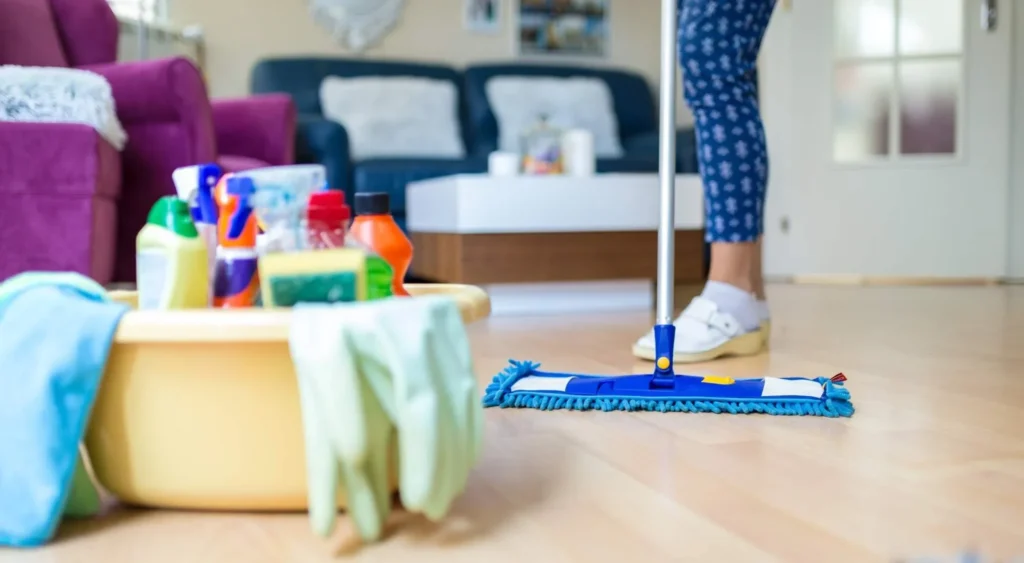
Regular house cleaning is the ongoing upkeep that keeps a home hygienic, tidy, and comfortable between larger projects. It is basic house cleaning done on a repeating basis: washing dishes, wiping counters, sweeping or vacuuming floors, cleaning toilets and sinks, taking out the trash, and putting things back where they belong. None of these jobs is difficult on its own. The value comes from repeating them before mess builds up.
This is different from an occasional intensive clean. Household cleaning at the maintenance level deals with what you see and touch every day. An intensive session goes after what accumulates out of sight, like grease inside cabinets, dust on ceiling fans, or grime behind appliances. A home that gets steady everyday maintenance needs those bigger sessions less often and finds them easier when they come.
The tasks also look slightly different in each room. In the kitchen, regular cleaning means dishes, counters, the stovetop, and the floor. In the bathroom, it means the sink, toilet, shower, and mirror. Bedrooms and living areas mostly need clutter control, dusting, bedding changes, and floor care. Entryways need regular attention too, since they take in most of the dirt that comes from outside.
How to Build a Simple House Cleaning Routine
Start With the Cleaning Tasks You Need Most
Begin by looking at how your household actually uses the home. Rooms that see the most activity, such as the kitchen, bathroom, and entryway, usually need the most attention, and so do surfaces you touch or eat on. Note what looks messy first and what affects hygiene most, then build your routine around those spots. A household with pets or small children will have different priorities than a couple who spends most days away.
Group Similar Cleaning Jobs Into Simple Batches
Doing similar jobs together saves time and effort. Dust every room in one pass, then vacuum every room, rather than fully cleaning one room at a time with different tools each round. Bathroom care works well as a batch too: spray the surfaces, let the cleaner sit while you wipe the mirror, then come back to scrub. Batching means you pick up each tool once and keep a steady rhythm.
Set a Routine That Fits Your Actual Week
A routine only works if it matches your real schedule. If weekdays are packed, keep daily tasks very short and save larger jobs for the weekend. If your mornings are calm, a quick reset before work may suit you better than one in the evening. Choose times you can realistically protect, and be honest about how much energy you will have. A small routine you follow beats an ambitious one you abandon by Wednesday.
Daily Cleaning Habits That Keep Rooms Under Control
Everyday house cleaning is about small actions that stop mess from building. If you want a starting structure, a simple daily cleaning routine can show how a few short tasks add up to a noticeably calmer home. These habits deliver the most impact for the least time:
- Make the bed each morning so the bedroom looks tidy right away.
- Wash dishes or load the dishwasher after meals instead of letting them stack up.
- Wipe kitchen counters and the stovetop after cooking.
- Sweep or spot-clean floors where crumbs and dirt collect.
- Wipe the bathroom sink and mirror after your morning routine.
- Put clothes in the hamper and hang up anything worn once.
- Return items to their place at the end of the day.
- Take out full trash bags before they overflow.
None of these takes long, but together they keep the rest of your routine light.
Weekly Cleaning Tasks Worth Adding to Your Schedule
Some tasks do not need daily attention but should not wait longer than a week. Weekly house cleaning covers the jobs that build up gradually: dust, floor dirt, bathroom residue, and used linens. Handling them once a week keeps them from turning into larger problems.
Dusting comes first, since dust settles on furniture, shelves, and electronics all week. Vacuuming follows, covering carpets, rugs, and hard floors, and mopping comes after that on surfaces that need it. In the bathroom, weekly work includes scrubbing the toilet, tub, and shower and cleaning the sink and mirror more thoroughly than the daily wipe. In the kitchen, wipe down appliance fronts, clean the microwave, and clear out the refrigerator of anything that has expired. Bedding is best washed weekly, and towels usually need washing every few days to a week depending on use. Taking out all the trash and wiping down door handles and light switches round out a solid weekly list.
You do not need to do everything in one sitting. Spreading these regular cleaning tasks across a few days keeps each session short.
How to Organize Kitchen and Bathroom Cleaning
Kitchens and bathrooms need more frequent care than most other rooms. Food preparation, grease, moisture, and constant use mean buildup starts sooner. Routine attention keeps these rooms hygienic and makes any future deep cleaning far less demanding.
Keep Kitchen Surfaces and Food Areas Ready Daily
Kitchen cleaning works best when it is folded into normal cooking. Wipe spills as they happen, wash or load dishes after meals, and clean the stovetop while it is still slightly warm. Keeping the clear kitchen counters you need for meal prep also makes wiping faster, because you are not moving appliances and stacks of paper out of the way each time. Rinse the sink and clear the drain of food scraps before you finish for the night, and keep a short list of surfaces, like handles and the microwave door, that get wiped every few days.
Maintain Bathroom Surfaces Before Buildup Develops
Bathroom cleaning is easiest when residue never gets time to harden. Wipe the sink and counter after use, give the mirror a quick clean when splashes appear, and hang towels so they dry. Once a week, clean the toilet, shower, and tub with a cleaner suited to your fixtures. Soap film and water spots are much simpler to remove when they are fresh, and a squeegee or dry cloth on shower walls can slow mineral marks and mildew.
Adjust Room Cleaning Around How Often They Are Used
Not every household needs the same frequency. A busy family kitchen used for three meals a day may need wiping down daily, while a kitchen in a home where people mostly eat out can go longer between cleans. A guest bathroom that is rarely used may only need a weekly wipe, whereas a shared family bathroom may need attention every couple of days. Watch how each room actually gets used and adjust from there.
Dusting and Surface Care for a Fresher Home
Dust collects on nearly every surface: shelves, tabletops, electronics, picture frames, light fixtures, window sills, and baseboards. It settles quickly, especially in homes with open windows, pets, or lots of fabric. Dusting consistently keeps visible buildup down and makes the whole home feel cleaner, even when nothing else has changed.
Always dust from high surfaces down to low ones. Start with ceiling corners, fan blades, and the tops of shelves, then move through picture frames, furniture, and electronics, and finish with baseboards. That way, anything knocked loose falls onto surfaces you have not cleaned yet, rather than onto ones you just finished. A slightly damp microfiber cloth captures dust better than a dry rag, which tends to push it into the air, though electronics and delicate finishes need a dry or barely damp cloth.
The spots most often skipped include the tops of door frames, window blinds, lampshades, the backs of TVs and monitors, the top of the refrigerator, and vent covers. Add a couple of these to your weekly rounds each time so all of them get attention over the course of a month.
Vacuuming and Mopping Without Wasting Your Time
Floors should come last in any cleaning session, after dust and crumbs have fallen from higher surfaces. Vacuuming or sweeping comes first, since mopping over loose dirt just spreads it around. Mopping follows on hard floors that need it, and not every floor needs it every week.
Frequency depends on the home. High-traffic areas like entryways, hallways, and kitchens can need vacuuming several times a week, while bedrooms and guest rooms may be fine with a weekly pass. Homes with pets tend to need more frequent vacuuming because of shedding, and households with young children often need extra attention around eating areas. Hard floors usually benefit from a weekly mop or one every other week, depending on how quickly they show dirt.

Some habits make floor care faster. Use the vacuum attachments along edges and corners, and move lightweight furniture occasionally rather than working around it. Check what cleaner and how much moisture your flooring can handle, since hardwood and laminate generally prefer a lightly damp mop. Working from the far side of the room toward the exit keeps you from walking across clean floor.
How to Create a House Cleaning Schedule That Works
A house cleaning schedule turns a list of tasks into a routine you can follow without having to think about it each day. The trick is keeping it realistic. A schedule that demands too much falls apart quickly, while a modest one becomes habit.
Divide Cleaning Tasks by Daily and Weekly Needs
Sort your tasks by how often they truly need doing. Dishes, counters, quick tidying, and trash belong to daily habits. Dusting, vacuuming, mopping, bathroom scrubbing, and laundry for bedding fit better into weekly cleaning. Keeping the two groups separate stops daily upkeep from ballooning into a chore that takes an hour.
Assign Rooms and Tasks to Specific Days
Giving each recurring job a day makes the routine easier to remember. You might dust on Monday, clean bathrooms on Wednesday, vacuum on Friday, and handle bedding on Sunday. Writing these down in a home reset checklist or on a simple calendar keeps you from wondering what to tackle next. Fixed days also spread the work so no single evening feels overwhelming.
Leave Flexibility for Busy Weeks and Missed Tasks
Some weeks will not go as planned, and a good schedule expects that. If you miss a task, slide it to the next free day instead of abandoning the whole routine. Give yourself one or two open slots each week for catching up. A schedule that bends is easier to keep than one that treats every missed task as a failure.
Regular Cleaning vs Deep Cleaning: Know the Difference
Regular cleaning keeps the home livable from day to day, while deep cleaning resets the areas that routine upkeep does not reach. Even a very consistent routine will not remove buildup in hidden or hard-to-reach places, so periodic deeper work is still worth planning. When you want a guide for that bigger job, a deep cleaning checklist helps you cover the neglected spots without missing anything.
| Cleaning Focus | Regular House Cleaning | Deep Cleaning |
| Main purpose | Maintain everyday cleanliness | Address accumulated or neglected areas |
| Dusting | Frequently used surfaces | Includes harder-to-reach areas |
| Floors | Routine vacuuming and mopping | Detailed cleaning of edges and neglected areas |
| Kitchen | Daily and weekly upkeep | Buildup, appliances, cabinets, and hidden areas |
| Bathroom | Routine surface care | More detailed buildup and hard-to-reach cleaning |
| Frequency | Ongoing | Periodic or based on household needs |
How Long Should a Regular Home Cleaning Take?
The honest answer is that it varies. A studio apartment with one occupant takes far less time than a four-bedroom home with children and pets. Home size and the number of rooms matter, and so do clutter levels, how often you clean, and which tasks you include. A home that is cleaned regularly generally takes less time per session than one that is cleaned rarely, because less buildup means less scrubbing.
Several factors shape the total. The number of people living in the home affects how quickly dishes, laundry, and messes accumulate. Clutter slows everything down, since items must be moved before surfaces can be wiped. Frequency also matters, because a bathroom cleaned weekly takes much less effort than one cleaned monthly. Finally, the task list itself makes a difference, since a routine that includes dusting, mopping, and laundry naturally takes longer than one limited to floors and surfaces.
A practical target for many households is a short daily session and one longer weekly session, but the right amount depends on your situation. If your schedule feels too ambitious after a week or two, trim it. A routine that fits your available time is more useful than a long list that never gets finished.
What to Clean in Each Main Living Area
Keep Living and Sleeping Spaces Consistently Tidy
Living rooms and bedrooms mostly need clutter control, surface wiping, dusting, and floor care. Straighten cushions and put away stray items daily, dust surfaces weekly, and vacuum regularly. In bedrooms, wash bedding weekly and keep surfaces like nightstands and dressers clear enough to wipe. These rooms rarely get greasy or wet, so keeping them tidy usually goes a long way.
Give High-Use Kitchen and Bathroom Areas Priority
Kitchens and bathrooms deal with food, grease, moisture, and germs, so they usually need attention more often than other rooms. Daily wipe-downs and a fuller weekly clean keep these rooms hygienic and stop residue from setting. If time is short, spend it here first, since neglect in these areas shows up faster and takes more effort to reverse.
Include Entryways and Overlooked Household Spaces
Entryways take in dirt, moisture, and clutter from outside, so they deserve regular attention. Shake out or vacuum doormats, sweep or vacuum the floor, and keep shoes and bags organized. Hallways, stair edges, corners, and spaces around trash bins also collect dust and dirt without much notice. Adding a quick pass over these areas to your weekly rounds keeps the whole home feeling cared for.
Cleaning Habits That Make Weekly Work Much Easier

Good house cleaning tips often come down to habits that prevent work rather than tools that speed it up. Putting items away as soon as you finish with them stops surfaces from filling up, and handling spills right away keeps stains from setting. Clearing a small area each evening, sorting mail as it arrives, and wiping frequently used surfaces during the day all reduce the amount left for the weekly session. If clutter is the main obstacle, a few household mess reduction habits can prevent piles from forming in the first place, so cleaning starts with clear surfaces instead of stacks to move.
These habits are realistic for everyday households because each one takes a minute or two. The goal is not perfection but a home that never gets far from ready. When small messes are handled quickly, weekly cleaning becomes lighter and more predictable.
Common House Cleaning Mistakes That Waste Time
Most cleaning frustrations come from a handful of repeatable mistakes. Here is what to avoid and how to correct each one:
- Cleaning without a plan. Jumping from room to room leaves jobs unfinished. Decide the order and the tasks before you begin.
- Cleaning in the wrong order. Vacuuming before dusting means doing the floor twice. Work from high surfaces to low, and finish with floors.
- Ignoring clutter. Cleaning around items leaves dirt behind. Clear surfaces first so you can wipe them properly.
- Overusing products. An extra cleaner does not clean better and can leave residue. Use the recommended amount and rinse where needed.
- Postponing small tasks. Small jobs pile up into big ones. Handle quick tasks, like a spill or a sink of dishes, right away.
- Using the same method everywhere. Floors, fixtures, and fabrics need different care. Check labels and choose products that suit each surface.
- Trying to do everything at once. Fatigue leads to shortcuts. Spread tasks across the week.
How to Make Your Cleaning Routine Easier to Maintain
A routine has to be sustainable, not just effective for a week or two. That means setting realistic limits on what you take on, making supplies convenient, sharing the workload, and adjusting when your situation changes.
Keep Cleaning Supplies Ready Where You Use Them
When supplies are far away, small jobs get skipped. Keep a spray cleaner and cloth in the kitchen, another set in each bathroom, and a small brush or duster where dust tends to collect. Easy access removes the friction of hunting for products, so a quick wipe takes seconds instead of a trip to a distant closet.
Share Household Cleaning Tasks When Possible
Cleaning goes more smoothly when one person is not carrying everything. Divide recurring tasks by preference, availability, or age, and make the split clear so nothing falls through the cracks. Children can handle simple jobs like putting toys away or wiping tables, while adults take on tasks like bathrooms and floors. Shared responsibility keeps the routine steady and helps everyone feel invested in the result.
Review and Adjust Your Schedule as Needs Change
A cleaning routine is not permanent. Seasons, work schedules, new pets, growing children, and changes in how rooms are used can all shift what you need. Every month or two, look at what is working and what keeps slipping. Move tasks to different days, reduce the frequency of low-priority jobs, or add extra attention where buildup keeps returning.
Final Thoughts on Maintaining a Cleaner Home
Regular house cleaning works because it turns a large, unpleasant job into small, manageable habits. Daily tasks keep clutter and dirt from spreading, weekly tasks handle the buildup that daily upkeep misses, and a realistic schedule ties them together so the home stays consistently comfortable. Maintaining a home does not require completing every task every day. It requires doing the right tasks often enough that nothing gets out of hand.
The best routine is the one that fits your household. Start with the tasks that matter most, such as dishes, counters, bathrooms, and floors, and add more only when those feel automatic. Adjust as your life changes, and remember that a missed day is not a failed routine. Consistency over time matters more than doing everything perfectly.
Take a few minutes this week to write down your own cleaning schedule. Pick the highest-priority areas in your home, assign them to specific days, and start with just one or two tasks. If you need extra support along the way, Judy Maids can help with deeper cleaning needs while you build a routine that works for your home. Once the habit takes hold, building the rest of your routine will feel far easier.
Regular House Cleaning FAQs for Everyday Home Care
Even with a clear routine in mind, a few practical questions tend to come up when people start cleaning more consistently. The answers below focus on frequency, timing, and common concerns. They add to the guide above rather than repeat it.
Kitchens and bathrooms usually need light cleaning daily and a fuller clean weekly. Bedrooms and living areas often do well with a weekly dusting and vacuuming. Entryways and other high-traffic spaces may need attention a few times a week, while guest rooms can wait longer.
Washing dishes, wiping counters, making the bed, taking out full trash, and putting items away work well every day. These tasks take only minutes and stop mess from accumulating. Quick spot-cleaning of floors and bathroom sinks also fits well into a daily routine.
Weekly cleaning handles dust, floors, bathrooms, and bedding well, but it works best alongside short daily tidying. Without daily upkeep, kitchens and clutter can get out of hand between weekly sessions. Combining the two keeps the home in good shape without long cleaning days
Keep daily tasks very short, and choose only a few weekly priorities. Batch similar jobs together and assign them to days when you have a little more time. If a day goes wrong, move the task to the next open slot instead of dropping the routine.
A basic checklist covers dishes, counters, sinks, toilets, showers, mirrors, dusting, vacuuming, mopping, trash, and bedding. Adjust it for your home by adding tasks tied to pets, children, or specific rooms. Update it as your needs change so it stays useful