
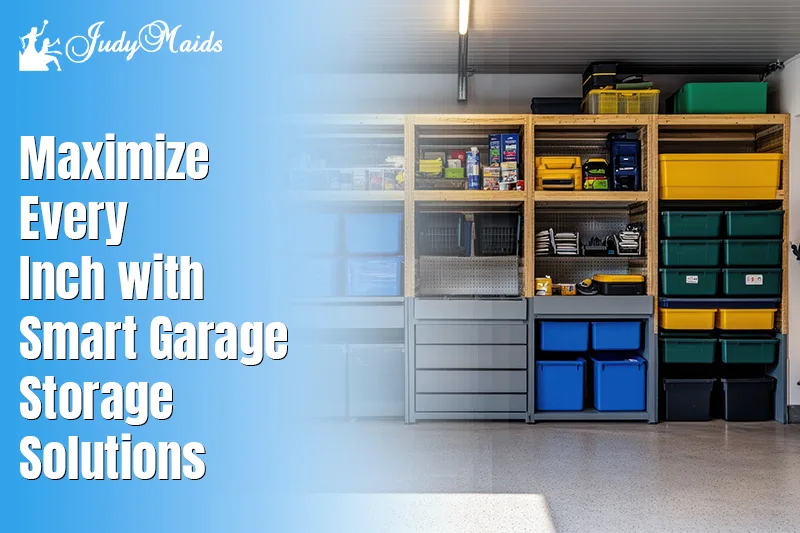
A well-planned garage creates more room for daily life and keeps useful items easy to find. Garage storage solutions help homeowners reduce clutter without wasting valuable space. Many families choose custom garage storage solutions after struggling with crowded shelves and stacked boxes. One simple upgrade can make parking and finding tools much easier every day.
Transform Empty Walls Into Smart Storage Assets
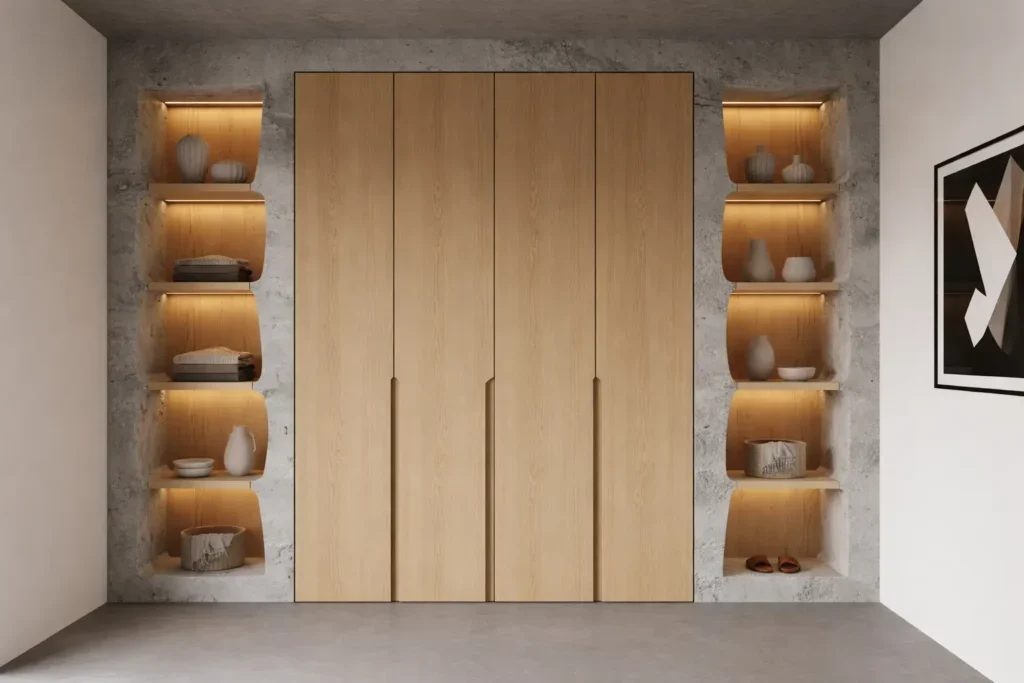
Many garages have empty walls while the floor stays crowded with tools and boxes. Garage storage solutions help use these unused areas to create more open space. Better planning keeps everyday items easy to reach and reduces the need to stack belongings in unsafe piles across the floor. Following a daily reset plan also helps keep these storage areas neat after the initial organization.
One homeowner could not park inside because garden tools and sports gear covered the garage floor. They installed wall-mounted garage storage systems with hooks and shelves along one wall. The floor became clear, and the garage felt much larger. Daily tasks also became easier because every item stayed visible and within easy reach.
Everyday Storage Problems That Reduce Space
Many garages lose space because of simple storage mistakes instead of limited size. Small problems build over time and make the area harder to use. Good garage organization starts by finding these issues early. The right garage storage ideas help prevent clutter from returning and keep the space useful every day.
Stacking Boxes on the Floor
Boxes placed on the floor quickly fill valuable space. They also make it harder to reach items stored behind them. One family cleared the floor by moving boxes onto the wall shelves.
Using Random Shelves
Different shelf sizes often create wasted space. Some shelves stay empty while others become overloaded. A planned storage layout makes better use of every wall.
Mixing Different Items Together
Tools, sports gear, and holiday decorations often end up in the same area. This makes it difficult to find what you need. Keeping similar items together saves time every day.
Ignoring Vertical Space
Many homeowners focus only on floor storage. Empty walls and upper areas remain unused. Adding hooks or shelves creates extra storage without making the garage feel crowded.
Keeping Broken or Unused Items
Old tools, damaged furniture, and empty containers take up useful space. Removing these items creates more space for things you actually use throughout the year.
Storing Daily Items Too Far Away
Frequently used items should stay within easy reach. One homeowner kept garden tools near the garage door instead of the back wall. Simple changes like this made outdoor work much faster.
Create a Storage Plan Before Buying Anything
A simple plan helps you avoid buying storage that does not fit your needs. Check the available space before choosing shelves or cabinets. Residential garage storage organization works best when every storage area has a clear purpose from the beginning. This approach also supports a clutter free home by preventing unnecessary items from filling valuable storage space.
Measure Available Storage Zones
Measure each wall corner and open space before buying storage products. Check ceiling height and door clearance as well. One homeowner bought large cabinets without measuring first. They blocked part of the garage door and had to replace it. Careful planning saves money and creates better garage organization solutions.
Group Belongings by Daily Use
Place everyday tools where they are easy to reach. Store holiday decorations, camping gear, and other seasonal items in higher spaces. One family grouped sports equipment near the garage entrance. They stopped searching through boxes because everything stayed in one dedicated area.
Choosing Storage Systems That Match Your Lifestyle
The best storage depends on how you use your garage each day. Professional garage storage systems help create a setup that fits your tools, hobbies, and family needs. Choosing the right option from the start keeps the space organized and easier to maintain for years.
Garage Shelving
Open shelves work well for tool storage, bins, and garden supplies. They keep everyday items easy to see and reach. One homeowner used shelves for paint cans and hand tools, which made weekend projects much faster.
Storage Cabinets
Cabinets protect supplies from dust and create a cleaner look. They also keep sharp tools and chemicals away from children. This option works well for families who want safer storage.
Storage Racks
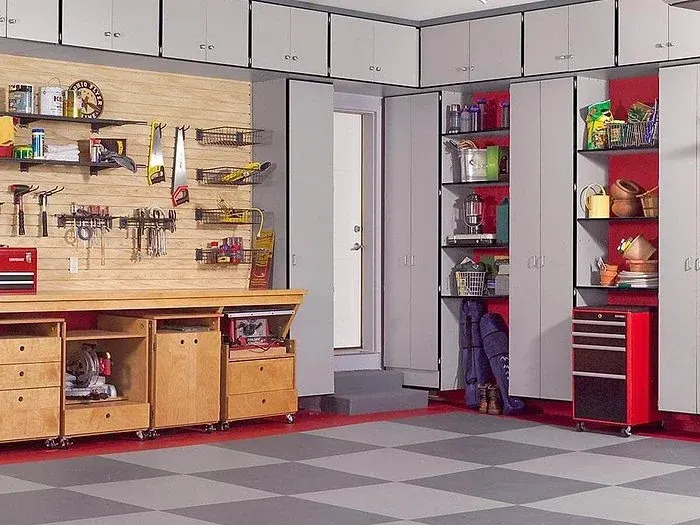
Heavy-duty racks support large boxes, coolers, and seasonal equipment. Place rarely used items on the upper levels and keep heavier objects on lower shelves for better safety.
Ceiling Storage
Overhead racks make use of empty ceiling space. They are ideal for holiday decorations, camping gear, and other items used only a few times each year. This keeps the floor open for parking and daily activities.
Wall Storage
Hooks, rails, and hanging baskets turn empty walls into useful storage. One family installed a wall system for bikes and yard tools. Their garage storage systems created enough floor space to park two vehicles with ease.
Build Storage Through Practical Upgrade Stages
A step-by-step plan makes every garage project easier to finish. Working in the right order saves time and prevents costly mistakes. Garage shelving and storage solutions perform better when the space is prepared before anything is installed.
Phase One: Clear and Categorize Items
Remove everything from the garage before adding new storage. Sort items into simple groups such as keep, donate, recycle, and remove. One homeowner found three boxes of broken tools during this step. Clearing unwanted items first created enough space for a better storage layout.
Phase Two: Install Permanent Storage
Install large storage first, then add smaller organizers later. Begin with shelves, cabinets, or wall systems before placing items back. Garage storage racks should hold heavy boxes while daily tools stay within easy reach. One family completed storage in this order and avoided moving everything twice.
Phase Three: Arrange Items by Use
Place frequently used items near the garage entrance. Store seasonal equipment in higher areas or deeper shelves. One homeowner kept garden tools beside the door and holiday decorations on the upper racks. Daily tasks became faster because everything stayed in the right location.
Phase Four: Label Every Storage Area
Add simple labels to shelves, bins, and cabinets. Clear labels help every family member return items to the correct place. This easy habit keeps the garage organized and reduces clutter over time.
Phase Five: Review the Layout Regularly
Check the storage system every few months. Move items if your needs change and remove anything no longer useful. Small updates help the garage remain organized without another complete makeover.
Overhead Space Often Solves Bigger Problems
Many garages have unused ceiling space that can hold large seasonal items without taking up the floor. Overhead garage storage creates extra room for daily activities while keeping rarely used belongings safe and out of the way. This simple upgrade helps make the entire garage feel more open.
Holiday decorations, camping gear, and empty storage bins are good choices for ceiling storage. Avoid placing very heavy items overhead unless the system is built for that weight. One homeowner added overhead garage storage installation before winter. The floor became clear enough for both cars, while seasonal boxes stayed safe and easy to access when needed.
Small Garages Need Smarter Layout Decisions
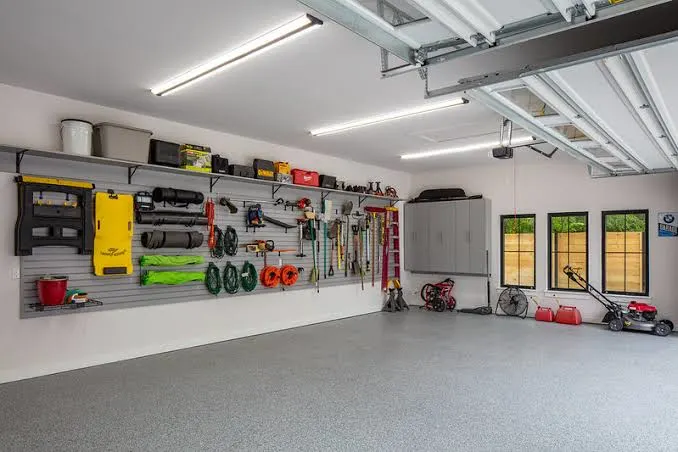
A small garage can still hold many items with the right layout. Space-saving garage storage ideas help create open floor space without removing useful belongings. Use walls, corners, and narrow areas wisely. Simple planning makes a compact garage feel larger and easier to use every day. Many homeowners achieve even better results with compact home storage solutions that maximize every available inch.
One homeowner with a single-car garage struggled to store tools, bikes, and garden supplies. They added tall shelves, wall hooks, and foldable work surfaces instead of larger cabinets. These modern garage storage solutions created extra room while keeping the garage neat. Parking became easier because every item had its own place.
Long-Term Benefits Beyond Extra Storage Space
Good storage creates lasting value for your home and daily routine. A well-planned system keeps items easy to find and reduces clutter over time. Custom garage storage helps homeowners use every part of the garage more effectively while making future maintenance much easier. Many families see this as part of their signature protect reset because organized storage helps protect valuable tools and equipment for years.
Easier Access to Everyday Equipment
Store tools, sports gear, and garden supplies where they are used most. This saves time and reduces frustration during daily tasks. One homeowner placed yard tools beside the garage door. Weekend work became faster because everything stayed within easy reach.
Better Home Value and Safety
A clean, organized garage gives buyers a better impression and shows that the home has been well cared for. Garage storage cabinets keep sharp tools, chemicals, and valuable equipment safely stored. One family installed locked cabinets after their children started walking. The garage became safer while still providing easy access for adults.
Custom Designs Deliver Better Daily Performance
Every garage has different storage needs based on the people who use it. Custom garage storage solutions help create space for tools, sports gear, work equipment, and seasonal items without wasting valuable room. A layout planned for your daily routine stays useful much longer than a standard setup that fits every garage the same way. Many home organization services recommend custom layouts because they are easier to maintain over time.
One homeowner first installed modular shelves because they expected their storage needs to change. A few years later, they added fixed cabinets for heavy tools and cleaning supplies. These garage cabinet storage solutions created a safer and more organized space. The combination worked well because each storage type served a different purpose and matched the family’s changing needs.
Storage Mistakes That Waste Money Quickly
Many storage upgrades fail because planning happens after the purchase. Small mistakes can waste money and reduce usable space. Good garage organization begins with careful planning that supports both current needs and future changes.
Buying Cabinets Without Measuring
Many homeowners buy cabinets before checking the wall size and door clearance. This can block walkways or prevent garage doors from opening fully. One homeowner returned two cabinets because they were too deep for the space. Measuring first also helps wall-mounted garage storage systems fit safely and work as planned.
Ignoring Future Storage Requirements
Storage needs often change as families grow or new hobbies begin. Filling every shelf today leaves no room for tomorrow. One family planned only for garden tools but later needed space for bicycles and sports gear. Leaving extra room made future changes simple and avoided another complete garage makeover.
Organize Once and Maintain It With Ease
Good garage storage solutions work best when they are supported by simple habits throughout the year. With help from Judy Maids, checking your garage every season and removing items you no longer need becomes easier. Return tools and equipment after each use. Small routines protect your storage system and keep the space clean and easy to manage for years.
One homeowner spent a few minutes each month checking shelves and storage bins instead of waiting for clutter to build. Their garage stayed neat without another major cleanup. If you want lasting results, professional garage organization solutions can create a storage system that fits your space and makes everyday life easier.
Helpful Answers Before You Upgrade Storage
Choosing the right storage system often brings many practical questions. Homeowners want solutions that last and fit their changing needs. The questions below cover common concerns about planning maintenance and storage performance. These answers can help you choose a system with greater confidence.
Strong metal shelves and quality cabinets usually last the longest. Proper installation and regular cleaning help protect them from damage and keep them working well for years.
Yes, if they are designed for heavy loads and installed correctly. Always follow the weight limits recommended by the manufacturer to avoid damage or safety risks.
Inspect your storage every three to six months. Check shelves, brackets, and fasteners for wear or loose parts. Early repairs help prevent bigger problems later.
Overhead racks and high wall shelves work well for holiday decorations. They keep rarely used items off the floor while leaving everyday storage easy to reach.
Modular storage allows easy changes as your needs grow. Fixed cabinets provide stronger permanent storage. The best choice depends on how often your storage needs change.