
A messy home can build slowly over time. Items move from place to place without a clear system. Soon, rooms feel full and hard to manage. A simple structure can change this pattern. The best home organization methods help bring order back into daily living and make each space easier to use.
Many families struggle with tight storage and busy routines. Kitchen counters fill up, and closets lose order. In one real case, a working couple spent extra time each morning searching for essentials. Using smart home organization habits helped them regain control. Even modern home organization approaches show how small changes can support cleaner spaces and reduce daily stress.
How Crowded Spaces Affect Comfort And Focus Daily
Crowded rooms make simple tasks harder each day. People often lose items or repeat work because nothing has a clear place. This slows routines and creates frustration. Many homes need the best home organization habits to bring order back and make daily movement feel smooth and simple again.
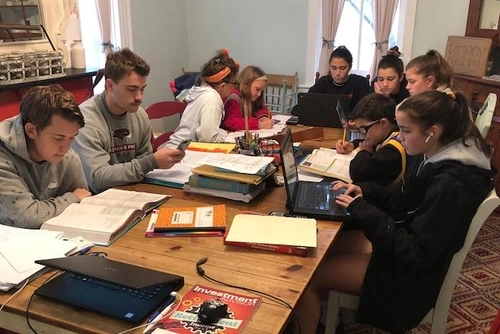
One example is a student who studied in a cluttered room. Books and clothes covered the desk, which made focus difficult. Stress built up during study time, and work got delayed. Using home storage ideas like clear shelves and simple bins improved space use. These clutter reduction tips helped create calm and better focus at home.
Clever Placement Ideas That Improve Everyday Movement
Small layout changes can improve how a home feels each day. Many people struggle with tight walkways and blocked corners. Simple placement choices can fix this. With modern home organization, even small rooms can feel easier to use. The goal is to keep movement smooth and daily tasks simple.
Smart placement ideas for better flow
- Keep kitchen tools near where they are used most
A cook once wasted time moving between cabinets. After adjusting placement, meal prep became faster and easier. This is part of organized room planning that improves daily flow. - Place bedroom items within easy reach
Nightstands should hold only daily-use items. One homeowner reduced morning stress by moving clothes closer. This simple change improved comfort and saved time. - Use open floor zones in living areas
Avoid blocking main walking paths with furniture. A family moved a table slightly and noticed more space instantly. These space management ideas make rooms feel larger without extra cost. - Use wall space for storage instead of floors
Wall shelves keep items off the ground. This opens up visual space and reduces clutter. It also makes cleaning faster and more simple each day.
Everyday Routines That Help Reduce Household Disorder
Small daily habits keep a home under control. When tasks pile up, rooms quickly feel messy. Simple actions done each day stop clutter from growing. With smart home organization, families can build easy systems that fit real life and reduce stress in busy homes. Many households follow a daily reset plan to maintain consistency and keep spaces organized throughout the week.
Quick daily reset habits
A short reset in the morning or at night keeps spaces clear. Beds are made, and items go back to their place. One family with school kids used ten-minute resets before bed. This simple step reduced morning chaos and improved organized routines across the home.
Simple habits that stop clutter growth
Small actions prevent a mess from building again. Mail is sorted daily instead of being left on tables. Shoes are placed in one zone near the door. These efficient home organizing habits save time and keep rooms ready for daily use without extra effort.
Real-life example of busy families
A working couple with tight schedules struggled with living room clutter. After setting small rules for item return, the space stayed clean longer. These changes showed how small habits can support order even when time is limited.
Functional Family Systems That Simplify Storage Needs
Busy homes need clear systems that support daily movement. Items often get left in random spots when routines are rushed. With complete home organization, families create simple zones that guide where things belong. This reduces stress and helps everyone follow the same storage flow without confusion.
One family with three kids used shared rules for toys and school bags. Before this, mornings felt chaotic with lost items and delays. After setting up family storage systems, each child had a clear space for essentials. These best home organization ideas for families improve speed and reduce daily frustration at home.

Organized Entry Areas That Reduce Daily Item Piles
Entry areas often collect shoes, bags, and keys. A small rack system helps keep everything in one place. One household reduced morning delays by setting a simple drop zone near the door for each member.
Shared Household Zones For Easier Family Routines
Shared zones make it easier for everyone to follow the same system. Kitchen shelves or living room baskets can hold common items. This helps reduce searching time and keeps daily routines smooth for all family members.
Easy Decluttering Approaches For Better Space Balance
Clutter builds when items are kept without use. Rooms feel smaller and harder to manage. Simple decluttering methods help clear space and improve daily flow. With efficient home organizing habits, families can sort items in small steps instead of feeling overwhelmed by the whole house at once.
One example is a family sorting one room each weekend. Old clothes, unused toys, and broken items were separated into groups. Some were donated while others were recycled. These organized storage ideas helped them avoid future mess and kept their home more open and easier to clean over time.
Space-Saving Concepts Created For Smaller Interiors
Small homes need smart use of every corner. Clutter builds fast when space is limited. Simple planning can change how a room feels. With compact organization ideas, even tight rooms can stay open and easy to use without feeling crowded or messy.
A common case is a studio renter with little floor space. Clothes and kitchen items often mix together. Using small room storage like under-bed boxes and wall racks helps free space. These small changes support daily comfort and reduce stress in daily movement around the home.
Vertical storage that frees floor space
Walls can hold more than most people think. Shelves and hanging units keep items off the ground. One renter added wall hooks for bags and noticed instant space gain. This helps rooms feel larger without changing the layout.
Hidden compartments for daily essentials
Beds and sofas with storage space help hide extra items. A family used storage drawers under seating to keep toys and blankets. These systems support better flow and reduce visible clutter in small living areas.
Affordable systems for tight apartment layouts
Simple bins and stackable boxes work well in apartments. They are low-cost and easy to move. These solutions are part of the best home organization systems for small homes and help keep spaces neat without major renovation or expense. For people preparing to relocate, a seamless move package can also help organize belongings before moving day and reduce stress during the transition.
Five Structured Actions That Improve Home Efficiency
A full home reset feels simple when broken into steps. Many people feel stuck because they try to fix everything at once. A complete home organization plan works better when done in order. Each stage builds clarity and helps reduce stress across the home in a steady way.

Step 1: Consultation And Household Needs Discussion
The process begins with a short talk about daily problems. Homeowners share trouble spots like cluttered rooms or lost items. This starts a clear organization planning process.
Step 2: Interior Review And Storage Planning Process
Next, each room is reviewed carefully. Storage space and usage are checked. Some homeowners also use an essential care plan to maintain organization standards and prevent clutter from returning over time.
Step 3: Sorting, Removal, and Item Categorization Tasks
Items are sorted into groups like keep, donate, or remove. One room is handled at a time to avoid stress. This step helps reduce clutter slowly and makes decisions easier for homeowners who feel overwhelmed.
Step 4: Cleaning, Inspection, and Final Review Session
After sorting, spaces are cleaned and checked again. Items are placed back in the proper zones. A final walk-through ensures everything feels comfortable and easy to use in daily life.
Step 5: Donation, Recycling, and Disposal Arrangements
The last step clears unwanted items from the home. Donations are arranged, and waste is removed properly. Many families choose a home decluttering service to make this process faster and more manageable. This creates a fresh start and supports long-term order in daily living spaces.
Choosing Useful Storage Tools For Easier Accessibility
Good storage tools make daily life easier. Many homes feel messy because items have no fixed place. Simple tools can solve this fast. The best home organization methods for storage focus on easy access and clear structure. This helps families save time and avoid repeated clutter in busy routines.
Storage tools that improve home use
- Open shelves for daily items
Helps keep things visible and easy to reach. Works well in kitchens and living rooms where fast access is needed. - Plastic and fabric containers
Good for sorting small items like toys and clothes. These storage organization tools are low-cost and easy to move when needed. - Woven baskets for quick cleanup
Useful for living spaces where items collect daily. One family used baskets near the sofa to control the mess in minutes. - Drawer divider systems
Keep small items in order inside cabinets. This stops mixing and makes finding things faster every day. - Stackable storage boxes
Works well in bedrooms and storage rooms. These organized home products help save floor space and keep items neatly grouped.
Poor Organizing Habits That Create Repeat Household Mess
Many homes feel clean after an effort but are messy again soon. This happens when habits do not support order. Items return to random spots, and storage fills too fast. Simple clutter prevention tips help stop this cycle and keep rooms stable for longer periods.
Inconsistent daily routines that break order
When cleaning happens only once in a while, clutter builds again. A kitchen may look neat after a deep clean but lose order in days. Without organized home routines, items are not returned to their place, and a small mess grows into larger disorder.
Overfilled storage that stops proper use
Storage spaces often get packed beyond their limit. When shelves are full, items end up outside their place. One family had two closets but still felt cramped. Better storage planning ideas help control space use and prevent overflow that leads to repeated clutter. In larger storage areas, a garage cleaning service can help remove unused items and restore valuable space for everyday use.
Mistakes that reduce long-term success
Many people hide items instead of sorting them. This creates hidden clutter that returns later. Another mistake is keeping unused things “just in case.” Simple rules and regular checks help maintain balance and reduce stress in daily home use.
Quick Maintenance Ideas for Cleaner-Looking Home Areas
Small daily actions keep a home neat without big effort. Many people feel overwhelmed because the mess builds slowly. Simple habits stop this cycle early. With smart home organization, even busy families can keep rooms looking clean by doing small tasks throughout the day.
Daily reset habits that prevent buildup
A quick reset after use keeps spaces under control. Wiping counters and returning items to their place takes only minutes. One family used short evening checks to fix small messes. These habits reduced weekend cleaning time and supported better home cleaning systems.
High-traffic areas that need extra care
Entryways and kitchens collect mess faster than other spaces. Shoes, bags, and dishes often pile up here. Simple baskets and hooks help manage this. These areas stay cleaner when items have a fixed place that is easy for everyone to follow.
Simple habits that fit busy routines
Small routines work best when they are easy to repeat. A ten-minute tidy before bed keeps rooms balanced. These are some of the best home organization tips for daily use because they prevent clutter from growing into larger cleaning problems later.
Final thoughts for lasting order
Small habits create lasting change when used every day. Smart systems do not need to be complex. They just need to stay consistent. Efficient home organizing from Judy Maids helps reduce effort and keeps homes balanced over time. When people follow simple steps, organized living spaces become part of daily life. Start small today and build habits that support comfort and ease in every room.
Home organization guidance, storage solutions, and lifestyle planning expert in practical, efficient home organizing systems, helping create clean spaces, improve daily routines, and support lasting order in every home environment for easier, stress-free living and better household management habits.
Questions Homeowners Ask About Organized Storage Systems
Clutter is controlled by small daily actions. Items must return to their place after use. One family reduced mess by setting a five-minute nightly tidy-up rule. This form of household organization helps keep rooms from building new clutter each day.
Vertical shelves and under-bed boxes work well in small homes. Clear bins also help people see items quickly. These simple ideas improve access and reduce time spent searching for daily essentials.
Kitchens and entry areas should come first. These spaces affect daily routines the most. When they are organized, the rest of the home becomes easier to manage and maintain.
Most homes benefit from a review every few months. Seasonal changes often bring new items. Regular checks keep systems working and prevent storage overload.
Yes, labels help everyone return items to the correct place. They reduce confusion and support faster cleanup. Even children can follow labeled systems easily.