

You wipe the counters, run the vacuum, and put things back where they belong, yet the house still feels a little off. Dust returns to the same shelves within days, the shower never looks quite fresh, and the corners of the kitchen hold a film that ordinary wiping does not touch. Regular tidying keeps a home presentable, but it rarely reaches the grime that builds up quietly in the places you do not look at every day.
That is where deep house cleaning comes in. Surface-level cleaning handles what is visible, while a deeper clean removes accumulated dirt, buildup, and dust from areas that routine upkeep skips. Without it, a home can look neat and still feel stale.
A structured approach makes the job far more manageable. Instead of attacking the whole house at once, you can plan the scope, gather the right supplies, and work through each room in a sensible order. This guide covers room-by-room cleaning, hidden trouble spots, practical techniques, scheduling, and the habits that keep your home fresh afterward.
Why Deep House Cleaning Matters
Beyond Daily Tidying
Keeping a home generally tidy and deep cleaning it are two different jobs. Daily and weekly house cleaning deals with what you can see: dishes, visible dust, crumbs, and floors that need a quick pass. A deep clean addresses what slowly accumulates out of sight, such as dust on top of door frames, soap film behind faucets, grease on cabinet fronts, and debris under furniture.
These hidden layers matter because they keep building. Dust removal that skips ceiling fans and vents simply lets particles settle back onto clean surfaces. Buildup on shower glass or stove surfaces becomes harder to remove the longer it sits. Overlooked surfaces like light switches and door handles are touched constantly, so they collect more than most people realize.
Think of it this way: regular home cleaning is maintenance, and a deep clean is a reset. If you only ever maintain, small neglected areas grow into bigger jobs. If you reset periodically, daily upkeep stays light and the whole house feels noticeably fresher.
How to Plan a Deep Clean Without Missing Key Areas
A good deep clean is mostly planning. When you know what you are cleaning, what you need, and in what order, the work moves faster and you avoid backtracking. The seven stages below take you from preparation to a final inspection and cover the most important deep cleaning tasks and techniques along the way. They also work as the backbone of a deep clean house checklist you can reuse.
Start by Defining What Your Deep Clean Should Cover
Before you pick up a sponge, decide what the deep clean needs to include. Walk through the home and note which rooms, surfaces, and neglected areas need attention most. A busy family kitchen with months of cooking residue calls for a different plan than a guest room that rarely gets used.
The condition of your home and your goals change the scope. If you are preparing for guests, you might focus on living areas, bathrooms, and floors. If you are catching up after a long stretch of busy weeks, you may need every room. If you are cleaning before or after a move, cabinets, closets, and inside appliances usually belong on the list. Writing the scope down keeps you from wandering and helps you set a realistic timeline.
Gather Supplies and Set Up a Practical Cleaning Plan
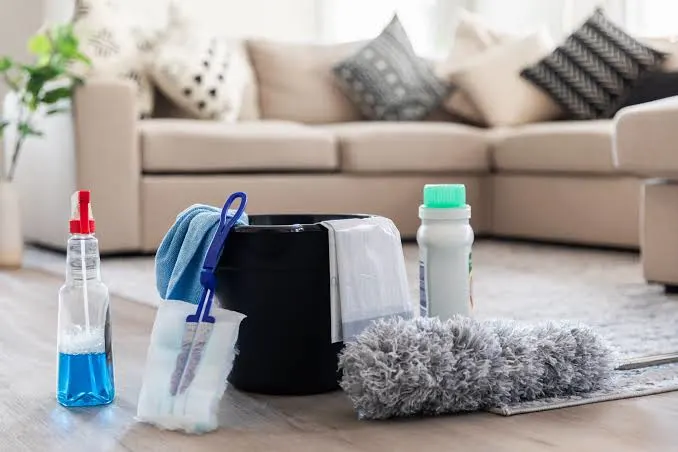
Nothing slows a deep clean like stopping mid-task to hunt for a missing brush. Collect everything first: an all-purpose cleaner, a glass cleaner, a bathroom cleaner suited to your fixtures, a degreaser for the kitchen, and a gentle scrub for tougher spots. Add microfiber cloths, a few scrub brushes, a toothbrush for tight edges, a vacuum with attachments, mop supplies, trash bags, and gloves. Eye protection is sensible when using stronger products or cleaning overhead.
Keep supplies in a caddy or bucket you can carry from room to room. Set a start time, plan short breaks, and open windows where you can. A simple plan with a set order prevents unnecessary interruptions and keeps your energy steady.
Clear Clutter Before Starting Detailed Cleaning Work
Cleaning around clutter is slow and rarely thorough. Items on counters, floors, and shelves block access and force you to clean the same surface twice. Before you start scrubbing, clear each room of things that do not belong there.
A simple sorting method works well: keep, relocate, donate, or discard. Bring three containers or bags for each room and make quick decisions instead of debating each item. If you are unsure where to begin, decluttering your home one room at a time makes the rest of the deep clean noticeably easier. Once surfaces are open, dusting and wiping become faster and more complete.
Work From High Surfaces Down to Floors and Baseboards
The high-to-low technique is one of the most reliable deep cleaning techniques because it works with gravity. Dust, cobwebs, and loosened debris fall as you clean, so starting at the top means you are not undoing your own work.
In each room, begin with ceiling corners, light fixtures, ceiling fans, and vents. Move to the tops of cabinets and shelves, then window frames and blinds, then wall-mounted items, furniture, and countertops. Baseboards come near the end, followed by the floor. If you vacuum or mop first, the dust you knock loose from higher surfaces will settle right back onto it.
Deep Clean Kitchens and Bathrooms With Targeted Methods
Kitchens and bathrooms deserve focused effort because they collect the stubborn kinds of buildup. In the kitchen, grease is the main enemy. Use a degreaser on the range hood, backsplash, and cabinet fronts, and let it sit briefly before wiping. Clean the inside and outside of appliances, scrub the sink and drain area, and wipe counters and edges where crumbs collect.
Bathrooms are about soap residue, mineral deposits, and moisture. Apply cleaner to the tub, shower, and toilet and give it time to work before scrubbing. Descale fixtures, clean grout lines and mildew-prone corners, wipe mirrors, and finish with the floor. Different buildup needs different products, so match the cleaner to the problem instead of using the strongest option everywhere.
Refresh Bedrooms and Living Areas From Top to Bottom
Bedrooms and living areas gather dust in layers. Start high with ceiling corners and fans, then move through shelves, picture frames, blinds, mirrors, and door surfaces. Wipe light switches, outlet covers, and vent covers, which are easy to miss.
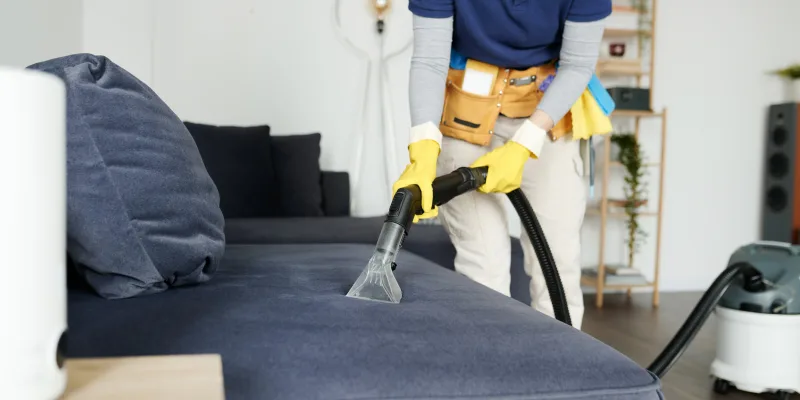
Then turn to the softer items. Strip and wash bedding, vacuum the mattress and upholstered furniture, and shake out or launder throw pillows and blankets. Move light furniture if you can so you can clean underneath and behind it. Finish with baseboards and the floor so the room ends on the cleanest surface.
Finish With Floors, Touchpoints, and a Final Home Check
Floors come last because everything you cleaned above has dropped something onto them. Vacuum or sweep first, paying attention to corners and edges, then mop according to the floor type. Before you put things back, wipe high-touch points such as door handles, light switches, railings, remote controls, and cabinet pulls.
Take out the trash, open windows or run fans to let fresh air circulate, and do a room-by-room walkthrough. Look at each space from the doorway and then up close. A last check catches the missed corner, the streaky mirror, or the forgotten baseboard while the supplies are still out.
How to Deep Clean Each Room From Top to Bottom
Every room has a different purpose, so buildup differs from room to room. Kitchens collect grease and food residue, bathrooms collect moisture and mineral deposits, bedrooms collect dust and fabric fibers, and living spaces collect a bit of everything. Using one method everywhere wastes effort, so it helps to adjust your focus for each space while keeping the same top-to-bottom principle.
Choose the Right Order for a More Efficient Deep Clean
A logical room sequence prevents repeated work. Many people start with the bedrooms and living areas, move through hallways, and finish with the kitchen and bathrooms, since those are the messiest and take the longest. Others prefer to start with the hardest room while their energy is high. Either can work, as long as you finish one room fully before moving on and clean upper floors before lower ones, so dust and debris do not drift onto areas you have already finished.
Use Room-by-Room Checklists to Keep Work Organized
A checklist turns a huge job into smaller, finishable pieces and stops surfaces from being overlooked. List each room separately, then break it down into tasks like dusting high areas, wiping surfaces, cleaning fixtures, and finishing the floor. If you want a starting point, this deep cleaning checklist can be adapted to the layout and needs of your own home. Checking items off also gives you a visible sense of progress, which helps when the job feels long.
Which Deep Cleaning Tasks Deserve Extra Attention?
Some parts of a home collect dust, grease, and residue without anyone noticing. These are usually the areas that make the biggest difference once they are cleaned, and they are often the reason a home feels only half-clean after a quick tidy. Paying attention to them is what turns ordinary cleaning tasks into a real deep clean.
Remove Dust From Hard-to-Reach Areas and Hidden Spots
Ceiling fans, air vents, light fixtures, blinds, high shelves, and room corners collect dust quietly. So do the spaces behind and beneath furniture and appliances. Use an extendable duster or a vacuum with a brush attachment for high areas, and a damp microfiber cloth for blinds and fan blades so dust is captured instead of scattered. A pillowcase slipped over a fan blade and pulled back gently keeps dust from falling. Do these areas early in the process so what falls can be cleaned up afterward.
Handle Grease, Grime, Stains, and Built-Up Residue Safely
Different buildup needs different approaches. Grease responds best to a degreaser or a warm soapy solution, mineral deposits need an appropriate descaler, and soap scum needs a bathroom cleaner with time to sit. Test any product on a small hidden spot first, especially on natural stone, wood, and delicate finishes.
Avoid mixing cleaning products, particularly bleach with ammonia or acidic cleaners, since the combination can release harmful fumes. Harsh products can also damage surfaces and leave them dull. When in doubt, choose the gentlest method that works, and read the label for the surface you are cleaning.
Clean Fabrics, Fixtures, Doors, and Frequently Missed Areas
The details are what make a clean home feel finished. Vacuum upholstery and curtains, or launder them if the care label allows. Wipe door frames, handles, and light switches, and polish fixtures so they are free of spots and residue. Check the tops of door frames and the edges of stair railings as well. These small items rarely get attention during weekly cleaning, yet they collect fingerprints and dust that make a room look tired.
Finish Each Room With Floors, Fresh Air, and Final Checks
Floors should always come after overhead dusting and surface cleaning, since those steps leave debris behind. Vacuum or sweep thoroughly, mop as appropriate for the surface, and then ventilate the room by opening a window or running a fan. Step back and look at the room from the doorway, checking for streaks, missed corners, or leftover residue before you move on.
Use a Checklist to Track Progress and Repeat Tasks
A reusable checklist does more than guide one session. It shows which areas you finished, which spots keep getting dirty, and which tasks need to come around more often. If you notice you keep adding the same vents or baseboards, that is a sign they belong in a more frequent cycle. Keep the list where you can find it, and update it as your home and habits change.
Kitchen Cleaning Areas That Often Need More Attention
The kitchen is where grease, food residue, crumbs, and dust combine, which is why kitchen cleaning is often what separates a quick tidy from a real reset. Everyday cleaning covers counters, dishes, and the sink. A deeper clean goes into the places where residue hides.
Start with the range hood and filter, since grease collects there and can drip onto everything below. Clean the stovetop, including burner areas and the edges around knobs. Wipe the inside of the microwave, the front and handles of the refrigerator, and the inside of the oven if it needs it. Cabinet fronts and handles collect a sticky film over time, and the tops of cabinets gather grease-bound dust that ordinary wiping never reaches.
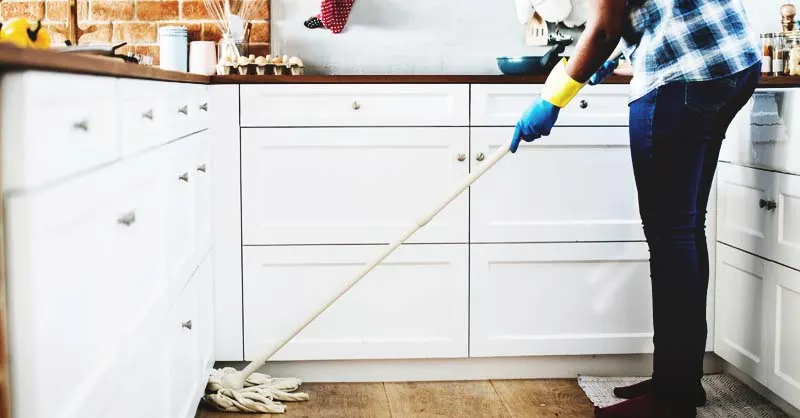
Do not forget the smaller details: the sink drain and faucet base, the backsplash, the space between the counter and appliances, and the floor edges where crumbs settle. Empty and wipe the refrigerator shelves and drawers, and check that the trash area and any bins are clean. Working from top to bottom, and finishing with the floor, keeps the kitchen from being re-dirtied as you go.
Bathroom Cleaning Steps for a Fresher, Healthier Space
Bathrooms need more than a routine wipe-down because moisture encourages mildew and leaves behind soap residue and mineral deposits. A deeper approach targets these problems directly, and it fits neatly into the broader goal of deep cleaning a house.
Begin by clearing the counters and shower shelves, then apply cleaner to the tub, shower walls, and toilet so it can work while you handle other areas. Scrub grout lines and corners where mildew tends to start, and descale the showerhead and faucets if you see chalky buildup. Clean glass doors and mirrors last in the wet zone to avoid streaks, then wipe the vanity, cabinet fronts, and light fixtures.
Give attention to the places that get skipped: behind the toilet, around the base of fixtures, the exhaust fan cover, and the bath mat and shower curtain. Wash or replace items that trap moisture. Finish with the floor, working from the far corner toward the door, and leave the door or a window open so the room can dry fully.
Bedroom Cleaning Habits That Reduce Dust and Clutter
Bedroom cleaning often stops at changing the sheets and running the vacuum, but dust builds up in many places beyond the floor. Furniture surfaces, headboards, blinds, ceiling fans, baseboards, and the space under the bed all hold dust, and much of the fabric in the room sheds fibers and skin cells over time.
A deeper bedroom clean includes vacuuming the mattress and rotating it if the manufacturer recommends, washing pillows and duvets according to their care labels, and wiping the nightstands and dresser tops. Clean under the bed, and if you use it for storage, take items out and wipe the containers. Dust the frames of mirrors and artwork, and wipe lamps, switches, and vent covers.
Decluttering helps most here. Clear floors, tidy surfaces, and a closet that is not overflowing make each future deep clean faster, because there is less to move and less for dust to cling to. A quick weekly pass over the surfaces and floor keeps the buildup light between deeper sessions.
Floor Cleaning Methods for Different Home Surfaces
Floors take the most daily wear, and different materials need different care. Hardwood generally needs gentle cleaning with minimal moisture, tile and grout can handle more scrubbing, laminate should not be soaked, and carpet needs thorough vacuuming and occasional deep treatment. One method for every surface can cause damage or leave floors looking worse than before.
In a deep clean, floors come last in each room. Start by vacuuming or sweeping, including corners, edges, and the areas under and behind furniture that are normally skipped. Then mop or treat the surface with a product suited to the floor type. Working from the far side of the room toward the exit means you are never walking across a floor you just cleaned.
Keep these surface-care considerations in mind:
- Hardwood and laminate do best with a lightly damp mop and a cleaner made for the material.
- Tile can take stronger cleaners, but grout lines often need a brush.
- Natural stone can be damaged by acidic cleaners, so check product labels first.
- Carpet and rugs benefit from slow, overlapping vacuum passes and periodic deeper cleaning.
- Check manufacturer guidance whenever you are unsure what a floor can safely handle.
How to Build a Deep Cleaning Routine That Lasts
A single marathon session helps, but it does not last unless the routine around it does. The goal is to turn one intensive effort into a manageable long-term cleaning routine, splitting the work into weekly, monthly, seasonal, and occasional tasks so the house never needs a major rescue again.
Set a Realistic Schedule for Weekly and Seasonal Cleaning
Separate everyday upkeep from larger jobs. Weekly tasks might include vacuuming, mopping, wiping surfaces, and cleaning bathrooms. Monthly tasks can cover appliances, baseboards, and vent covers. Seasonal tasks might include windows, curtains, mattresses, and the tops of cabinets. A realistic deep cleaning schedule spreads these across the calendar so the entire home is never tackled all at once.
Group Similar Tasks to Save Time and Reduce Repeated Work
Grouping tasks reduces the walking back and forth between rooms. Dust every room in one pass, then vacuum every room, then handle floors. Wiping surfaces across the house with the same cloth and product before switching to the next task saves time and keeps you in a steady rhythm. Batching also means you only pull out each tool once.
Keep High-Traffic Areas on a More Frequent Cleaning Cycle
Entryways, kitchens, bathrooms, and main living spaces get used the most, so they collect dirt faster than guest rooms or storage areas. These spaces often need attention more often than the rest of the home. Giving them a shorter cycle prevents the heavy buildup that makes deep cleaning hard, while low-use rooms can stay on a lighter schedule.
Adjust Your Routine for Pets, Children, and Household Needs
Household life changes how often tasks should be repeated. Pets bring shedding, tracked-in dirt, and odors, which means more frequent vacuuming and washing of bedding. Children bring spills and sticky surfaces, so kitchen tables and floors may need more regular attention. Anyone in the home who is sensitive to dust or allergens may benefit from more frequent dust removal and laundering of fabrics. Adjust the routine to match how your household actually lives.
Keep a Checklist to Track Progress and Repeat Tasks
A running checklist helps you see what has been done, what has slipped, and where problems keep returning. A ready-made home reset checklist can serve as a starting template that you tailor to your own rooms and schedule. Review it every few weeks and move tasks to a shorter or longer cycle as needed.
How Often Should Each Part of Your Home Be Deep Cleaned?
There is no single schedule that suits every household. How often to deep clean a house depends on traffic, household size, pets, how often you cook, the season, and how quickly visible buildup returns. A single person in a small apartment will have a different rhythm than a family of five with a dog.
As a general framework, kitchens and bathrooms benefit from a thorough deep clean more often than other rooms, commonly every few months, because grease, moisture, and residue build up quickly. Bedrooms and living areas often work well with a full deep clean a few times a year, with lighter maintenance in between. Tasks such as cleaning behind large appliances, washing curtains, or treating carpets may only need to happen once or twice a year, or sooner if you notice a problem.
Routine upkeep like wiping counters, vacuuming, and cleaning toilets should stay on a weekly cycle regardless of your deep cleaning schedule. Seasonal changes are also a natural prompt, since spring and fall are popular times to reset the whole home. Let visible signs guide you: sticky cabinets, cloudy mirrors, dusty vents, and lingering odors all suggest a room is due sooner than planned.
Deep Cleaning vs Regular Cleaning: Know the Difference
Regular cleaning keeps a home livable from day to day, while deep cleaning resets the areas that upkeep does not reach. If your home feels clean for only a day or two after tidying, or if neglected areas are starting to show buildup, it is probably time for a deeper session. If surfaces are mostly clear and only need light maintenance, regular cleaning is usually enough.
| Cleaning Focus | Regular Cleaning | Deep House Cleaning |
| Dust and surfaces | Frequent visible-surface cleaning | Includes overlooked and hard-to-reach areas |
| Kitchen | Basic counters, dishes, and floors | Buildup, appliances, cabinets, edges, and details |
| Bathroom | Routine fixtures and surfaces | Deeper scrubbing of buildup and neglected areas |
| Bedrooms | Basic dusting and floor care | Furniture details, hidden dust, and less-accessed areas |
| Floors | Regular vacuuming or mopping | Edges, corners, under furniture, and detailed cleaning |
| Schedule | Frequent maintenance | Periodic or condition-based reset |
Deep Cleaning Mistakes That Can Waste Time and Effort
Most deep cleaning frustrations come from a handful of avoidable habits. Here is what to watch for and how to fix each one:
- Starting without a plan. Jumping in leads to half-finished rooms. Write a short scope and room order before you begin.
- Cleaning in the wrong order. Vacuuming before dusting means doing floors twice. Always work from high surfaces to low ones.
- Using unsuitable products. The wrong cleaner can dull finishes or damage stone and wood. Check labels and test in a hidden spot first.
- Mixing cleaning products. Some combinations create harmful fumes. Use one product at a time and rinse between them.
- Ignoring ventilation. Strong products and moisture linger without airflow. Open windows or run fans during and after cleaning.
- Skipping the clutter. Cleaning around items leaves dirt behind. Clear each room before you start detailed work.
- Cleaning the same spots repeatedly. If an area keeps getting dirty, address the cause, such as a leaky fixture or missing doormat, instead of scrubbing again.
- Trying to do everything in one day. Fatigue leads to shortcuts. Split large homes across several days.
When Deep Cleaning Services May Be Worth Considering
Not every household needs outside help, and many people handle deep cleaning themselves with a good plan. Still, there are situations where deep cleaning services make sense. Heavy buildup that has been ignored for a long time, move-in or move-out cleaning, tight schedules, larger homes, and jobs that require special equipment or physical effort are common reasons to bring in a team.
If you are exploring options, a service such as the deep reset service at Judy Maids is designed for homes that need more than routine upkeep. Whichever provider you consider, it helps to be clear about what you expect before you book. Ask questions like these:
- Which rooms and tasks are included in the deep clean?
- Are inside appliances, cabinets, windows, and baseboards covered?
- Can I request extra tasks or focus areas, and is there an added cost?
- Which products and equipment do you use, and can you accommodate sensitivities or preferences?
- How is pricing set, and how long should the job take?
- What results should I expect, and what happens if something is missed?
Clear answers to these questions prevent surprises and help you decide whether hiring help is worth it for your home.
How to Keep Your Home Cleaner Between Deep Cleans
Small habits reduce the work your next deep clean will require. These are easy to fit into a normal week:
- Do a ten-minute reset each evening to return items to their place.
- Wipe kitchen counters and the stovetop after cooking.
- Rinse the sink and clear the drain of food debris.
- Squeegee shower walls and hang towels to dry after use.
- Dust high-traffic surfaces weekly with a damp microfiber cloth.
- Vacuum or sweep entryways and main walkways several times a week.
- Place doormats at entrances and take shoes off at the door.
- Sort mail and clutter as it arrives instead of letting piles form.
Tying these habits together with a simple daily cleaning routine makes everyday home cleaning almost automatic. The less buildup you allow between sessions, the shorter and lighter each deep clean becomes, and the longer your home stays fresh.
Final Thoughts on Creating a Cleaner, Healthier Home
A successful deep clean comes down to planning, working room by room, focusing on the areas that collect hidden dust and buildup, and following a schedule that fits your real life. Each piece supports the others. A clear scope keeps you focused, the right order saves time, and targeted methods deal with grease, residue, and dust that routine cleaning misses.
Deep house cleaning is not about perfection or doing everything at once. It is about addressing neglected areas and then keeping them manageable with a routine you can actually sustain. Judy Maids can help you stay on top of those deeper cleaning needs while you build a checklist that matches your home, your household, and your habits, updating it as your needs change.
Start with one room this week, write down what it needs, and work through it from top to bottom. If the workload feels too large or time is short, reaching out to a professional cleaning team is a perfectly reasonable way to get the home you want without the stress.
Deep House Cleaning FAQs for a Fresher, Healthier Home
Even with a full plan in hand, a few practical questions tend to come up. The answers below cover timing, scope, frequency, and common problem areas. They are meant to add to what you have read, not repeat it.
A complete deep clean covers every room, from ceiling fans and vents down to baseboards and floors. It includes kitchen appliances and cabinets, bathroom fixtures and grout, bedroom furniture and mattresses, upholstery, windows and blinds, doors, switches, and the spaces under and behind furniture.
It depends on the size of the home and how much buildup there is. A small apartment may take several hours to a full day, while a larger home can take multiple days if done by one person. Splitting the work across days or getting extra hands shortens the timeline.
Ceiling fans, vents, light fixtures, tops of cabinets, baseboards, door frames, light switches, behind appliances, and under furniture are commonly skipped. These areas collect dust and grime because they are out of sight or rarely touched during weekly cleaning.
Plan the order in advance, gather all supplies before starting, and clear clutter first. Work from top to bottom, group similar tasks across rooms, and let cleaners soak while you move on to something else. Cleaning one room at a time also prevents unfinished work.
Start with clutter removal, then begin at the highest surfaces in each room, such as fans, vents, and light fixtures. Many people begin with bedrooms and living spaces and save kitchens and bathrooms for later, since those take the most effort. Floors always come last.