
Cleaning often feels endless when dust returns soon after you finish. Clutter can also slow every task and make rooms look unfinished. The best essential home cleaning tips focus on method instead of effort. A good routine starts with the right order. It also targets the areas that collect dirt fastest. This approach reduces repeat work and helps each task feel more manageable.
These essential home cleaning tips cover dust control and floor care. They also explain product use and room priorities. You will learn how to handle kitchens and bathrooms more efficiently. The guide also covers tools and odors. Simple prevention habits can reduce future cleaning work. A steady routine can keep your home fresh without long cleaning sessions.
Essential Habits for Keeping Your Home Cleaner Every Day

Good cleaning habits can save time and stop small messes from becoming bigger jobs. These essential home cleaning tips focus on simple actions that work well in most homes. They are useful for beginners and experienced homeowners alike. Simple home organization ideas can also make it easier to keep everyday items in their proper places before cleaning begins.
Tip 1: Clear Clutter Before Starting the Actual Cleaning
Put away clothes, toys, papers, and loose items before cleaning. Working around clutter slows every task and makes surfaces harder to reach. A clear space lets you dust, wipe, and vacuum without stopping repeatedly.
Tip 2: Work From Higher Surfaces Toward the Floor
Start with shelves, cabinets, and furniture before cleaning lower areas. Dust and crumbs often fall while you work. Cleaning floors last prevents you from sweeping or vacuuming the same area twice.
Tip 3: Let Cleaning Products Sit Before You Scrub
Give suitable cleaners the recommended contact time before wiping them away. This can help loosen grease, soap residue, and other buildup. It also reduces unnecessary scrubbing and makes cleaning easier.
Tip 4: Keep Cleaning Tools Ready and Clean
Wash cloths, brushes, and mop heads after dirty jobs. Empty vacuum containers when needed. Dirty tools can spread grime instead of removing it. Clean supplies support more effective cleaning tips.
Tip 5: Focus More Attention on High-Use Areas
Kitchens, bathrooms, entryways, and shared rooms usually get dirty faster. Give these spaces more regular attention. This helps control grime where it builds up most often.
Tip 6: Clean Small Messes Before They Become Harder
Wipe spills, crumbs, and splashes soon after they happen. Quick action can prevent stains, sticky buildup, and unwanted odors. This is one of the most useful smart home cleaning tips.
Tip 7: Finish One Cleaning Task Before Starting Another
Complete one task before moving to the next. Jumping between jobs can create distractions and leave areas unfinished. A clear order keeps cleaning focused and makes progress easier to see.
Understand What Your Home Actually Needs Cleaning
Every home collects dirt in different ways. Cleaning needs depend on traffic and room use. Food areas collect crumbs and grease faster. Bathrooms collect moisture and soap residue. Entryways often collect soil from shoes.
Look for visible buildup before choosing your next task. Check dust on shelves and vents. Notice residue near sinks and counters. Watch frequently touched surfaces for fingerprints or grime. Also check hidden areas that stay out of daily sight. Under furniture can collect debris quickly. This targeted approach prevents wasted effort and supports practical household mess reduction throughout the home.
Choose the Right Cleaning Order for Better Results
Cleaning order affects both speed and final results. A poor order can send dust onto finished surfaces. It can also make you repeat tasks.
| Cleaning Approach | What Happens | Best Choice |
| Random order | Tasks overlap, and work repeats | Avoid |
| Room by room | Focus stays within one space | Good for detailed cleaning |
| Top to bottom | Dust moves toward lower surfaces | Good for most rooms |
| High use first | Busy areas get attention sooner | Good when time is limited |
Start by removing clutter. Dust higher areas next. Wipe usable surfaces after that. Finish with floor care. These home cleaning techniques create a clear path through each room. They also support more efficient cleaning methods and help maintain a clutter free home with less repeated effort.
Make Dust Control Part of Your Cleaning Strategy
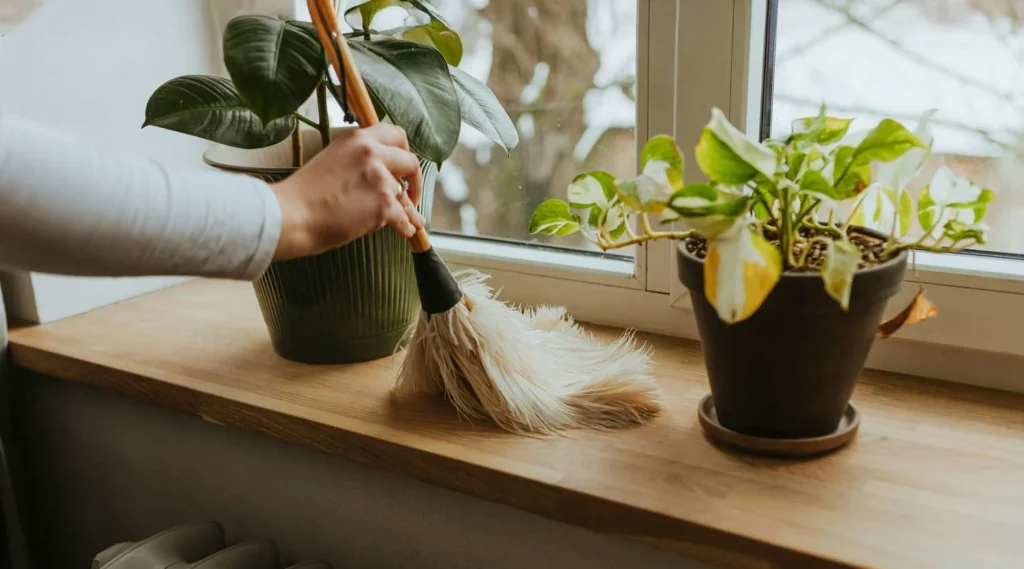
Removing visible dust is only one part of dust control. Dust also settles on fabrics and vents. It gathers under furniture and along floor edges. Pets and open windows can add more particles.
Use a clean cloth that collects dust instead of spreading it. Vacuum suitable fabrics when needed. Check vents and hidden floor areas during deeper cleaning. Pay extra attention near beds and upholstered furniture. These areas can hold fine particles. Less exposed clutter also makes regular dusting faster.
Use Cleaning Products Without Creating Extra Work
Cleaning products should match the surface and the soil. Read each label before use. Follow listed dilution guidance when needed. Never assume one cleaner suits every surface.
Too much product can leave residue behind. That residue may attract more dirt. Start with a small useful product set. Choose cleaners for common surfaces in your home. Test unfamiliar products on a small hidden area when suitable. Good household cleaning advice should reduce extra work.
Clean These Four High-Use Areas With More Care
Some rooms collect soil faster through food and moisture. Regular care helps prevent harder buildup.
Keep Kitchen Surfaces Clean After Daily Use
Wipe counters after food preparation. Clean sinks when residue appears. Check appliance handles and cabinet pulls. Maintaining kitchen hygiene starts with daily-use surfaces. Regular clear kitchen counters habits can also make food preparation areas easier to maintain throughout the day.
Keep Bathroom Surfaces Free From Daily Buildup
Bathrooms need regular care because moisture affects many surfaces. Wipe sinks and fixtures when marks appear. Clean shower areas before soap residue hardens.
Keep Entryways and Shared Areas Under Control
Entryways collect outside soil quickly. Shared rooms also collect daily clutter. Put loose items away. Remove visible debris before it spreads farther.
Keep Frequently Touched Surfaces Clean
Handles and switches receive constant contact. Remotes can also collect visible grime. Use a surface-safe method. Include these touch points in routine cleaning.
Clean Floors Properly Without Wasting Your Time
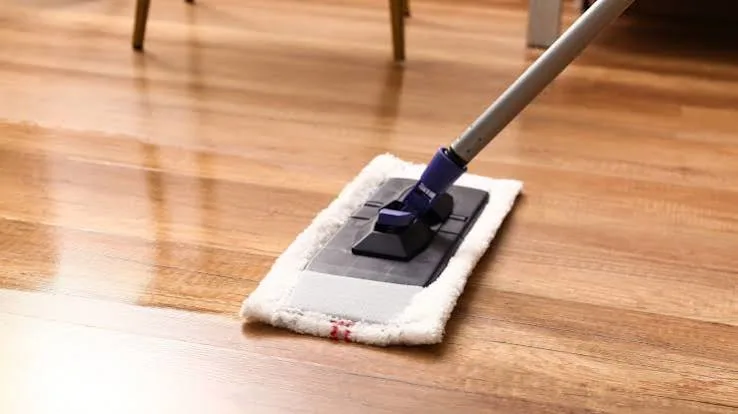
Floor care should match the floor material and traffic level. Remove loose debris before damp cleaning. Sweeping or vacuuming first keeps loose soil under control.
Check corners and edges. Clean under light furniture when possible. Use products that suit your floor type. Cleaning floors properly is easier when soil is handled in stages. These easy house cleaning methods reduce repeated passes.
Use Room by Room Cleaning to Stay Focused
Cleaning room by room can make large jobs feel more controlled. Finish one space before moving to the next. This creates visible progress and reduces wandering between tasks.
Bedrooms may need dusting and floor care most often. Living spaces may need clutter control and surface cleaning. Kitchens need more attention around food use. Bathrooms need regular moisture-related care. Adjust your effort based on real room use. Simple cleaning tips work better when the plan fits your actual home.
Prevent Household Odors Before They Become Noticeable
Household odors usually point to a source that needs cleaning. Trash and damp laundry are common sources. Food residue and drains can also create smells.
Do not rely on fragrance alone. Find the source first. Empty trash regularly. Dry damp fabrics quickly. Clean spills before residue develops. Check damp towels and pet areas when smells return. Preventing household odors depends on source control and steady cleaning.
Give Cleaning Tools the Care They Need Too
Cleaning tools work poorly when they hold old dirt. Wash reusable cloths after dirty jobs. Rinse brushes and mop heads as needed. Replace worn sponges when needed.
Vacuum tools also need care. Check the dust bin or bag. Remove trapped hair from brush parts. Store supplies where they can dry. Keep wet tools away from closed storage until dry. Clean tools support more effective cleaning and steadier results.
Create a Regular Cleaning Schedule That Feels Manageable
A regular schedule keeps small tasks from becoming large jobs. The best plan reflects household size and room use.
Handle spills and food messes quickly. Schedule dusting and bathroom care on suitable days. Save deeper tasks for less frequent sessions. Add seasonal jobs only when your home needs them. Creating a regular cleaning schedule should reduce stress. A daily reset plan can help keep essential tasks manageable without making every day feel like a major cleaning session.
Avoid These Common Mistakes That Make Cleaning Harder
Many cleaning problems come from simple habits that create repeat work. Avoid these mistakes when building a better routine.
- Using too much cleaning product can leave residue behind.
- Ignoring label instructions can cause poor results or surface problems.
- Cleaning floors before dusting can make you clean floors twice.
- Using one dirty cloth can spread soil between areas.
- Moving clutter around only changes where the mess sits.
- Masking odors leaves the real source untreated.
- Skipping touch points allows visible grime to build.
- Forgetting tool care can reduce future cleaning results.
Beginner cleaning tips work best when they remove wasted steps. Small corrections can make the entire routine feel easier.
Make Cleaning Easier by Preventing New Messes
Cleaning becomes easier when less dirt enters the home. Use entryway habits that limit tracked soil. Return daily items after use. Wipe spills before they dry.
Simple storage can reduce visible clutter. Keep common items easy to return. Prevention does not replace cleaning. It reduces future buildup and repeated work. These smart home cleaning tips support a tidier home.
Adjust Your Cleaning Approach for Different Homes
A small apartment and a large family home need different routines. Pets can increase floor hair. Children can increase spills and surface marks. Busy homes may need faster daily resets.
Prioritize rooms that create the most work. Give less time to cleaner spaces. Use short sessions when time is limited. Good house cleaning tips should fit the household instead of forcing one rigid schedule.
Keep Your Home Fresh With Consistent Cleaning Habits
Consistency matters more than occasional intense cleaning. Small tasks stop buildup before it becomes harder. Regular dusting keeps surfaces easier to maintain. Quick kitchen care limits dried food residue. Bathroom attention helps control moisture-related mess.
Floor care becomes easier when loose debris stays under control. A simple schedule keeps these tasks connected. The goal is not constant cleaning. The goal is a repeatable rhythm that fits normal life.
Final Thoughts on Smarter Home Cleaning Every Day
A cleaner home depends on method and steady habits. Start with clutter control and proper cleaning order. Give dust and busy rooms regular attention. Match products with the correct surfaces. Judy Maids can support a consistent approach to keeping your living spaces clean and manageable. Keep tools clean so each task works as expected. These essential home cleaning tips can reduce repeat work. They also make routine care easier and more predictable.
Focus your effort where your home needs it most. Let room use and visible buildup guide priorities. Build a schedule that fits your time and household. Prevention can reduce future cleaning work. Small repeated actions usually feel easier than occasional long sessions. Choose one habit from this guide today. Repeat it until it becomes part of normal home care.
FAQs About Essential Home Cleaning Tips
Focus on clutter, dust, kitchen surfaces, bathrooms, floors, and frequently touched areas. These tasks make the biggest difference in everyday cleanliness.
Start by clearing clutter, then dust higher surfaces before wiping counters and cleaning floors. This order prevents you from doing the same work twice.
Keep supplies ready, follow a simple order, and clean small messes early. Short regular sessions are usually easier than long cleaning days.
Clean kitchens and bathrooms several times each week. Floors, dust, and shared spaces should be handled as often as your household needs.
Do not skip kitchen counters, bathroom surfaces, floors, door handles, light switches, and trash areas. These spots collect dirt quickly.