

A home can look clean while still hiding dust and grime. Weekly chores usually focus on visible surfaces and busy rooms. Yet dirt also settles behind furniture and under appliances. It collects on fans and doors too. A deep cleaning checklist helps you find those missed areas. It gives each room more focused care.
Deep cleaning reaches spaces that normal cleaning often skips. A useful deep cleaning checklist also keeps the work organized. You can clean one room at a time. You can also divide larger jobs across several days. This guide covers room tasks and hidden areas. It also explains schedules and common mistakes. Use it to plan a practical whole home cleaning routine.
How a Deep Cleaning Checklist Helps You Find Missed Areas

Deep cleaning covers more detail than routine household cleaning. A checklist helps you remember each important task. Whole home organization can also help keep different areas structured, making it easier to identify spaces that need detailed cleaning.
Deep house cleaning should follow a clear order. Random cleaning can cause missed work or repeated effort. A checklist keeps surfaces and fixtures in view. It also includes appliances and hidden floor areas. This makes deep cleaning tasks easier to track.
Visible dirt is only part of the problem. Dust can sit behind a sofa for months. Grease can gather above kitchen cabinets. Bathroom vents can hold thick dust. A planned whole-home approach helps find these spots.
Your Room-by-Room Deep Cleaning Checklist for the Home
A deep cleaning house checklist works best when organized by room. The following list covers common tasks and forgotten areas.
Entryways
- Wipe doors and nearby frames.
- Clean handles and switches.
- Wash baseboards near the entrance.
- Dust vents and high corners.
- Vacuum mats and nearby floor edges.
- Clean marks from walls when needed.
Living Areas
- Dust shelves and wall decor.
- Wipe lamps and light fixtures.
- Dust ceiling fans carefully.
- Clean windows and window ledges.
- Vacuum upholstery and furniture gaps.
- Move light furniture when safe.
- Clean behind furniture and underneath it.
- Wash baseboards around the room.
- Dust vents and ceiling edges.
Bedrooms
- Wash bedding and mattress covers.
- Vacuum the mattress surface.
- Dust bed frames and headboards.
- Clean under beds when reachable.
- Wipe lamps and furniture surfaces.
- Vacuum rugs and carpet edges.
- Clean windows and nearby ledges.
- Dust fan blades and fixtures.
- Wipe doors and frames.
Bathrooms
- Clean shower walls and tubs.
- Remove soap residue from fixtures.
- Clean sinks and nearby surfaces.
- Wash toilet surfaces fully.
- Clean mirrors and glass.
- Wipe bathroom vents.
- Dust light fixtures.
- Wash baseboards and door frames.
- Clean floors and corners.
- Wash mats when suitable.
Kitchen
- Wipe cabinet fronts and handles.
- Clean kitchen cabinets inside when needed.
- Clean backsplash surfaces.
- Wash counters and sink areas.
- Clean appliance fronts.
- Wipe microwave surfaces.
- Clean refrigerator shelves when needed.
- Check spaces beside large appliances.
- Clean under appliances when safe.
- Wipe the range hood.
- Dust vents and upper surfaces.
- Wash floor edges and baseboards.
Laundry Areas
- Wipe washer and dryer surfaces.
- Clean lint around machines.
- Vacuum behind reachable appliances.
- Dust shelves and storage areas.
- Wash floor edges.
- Wipe doors and handles.
This complete deep cleaning checklist can change with your home. Add tasks that match your rooms and daily habits.
Where Deep Cleaning Goes Beyond Your Normal Weekly Routine
Regular cleaning handles frequent household mess. It usually includes dusting and vacuuming. It may also include bathroom cleaning and kitchen wiping. These jobs control everyday dirt.
A deep cleaning routine goes further. It focuses on buildup and hidden areas. You may move furniture or clean appliance gaps. You may wash doors and frames. You may also clean vents and ceiling fixtures. Adding refresh home decluttering before detailed cleaning can make hidden surfaces easier to reach and reduce obstacles during the process.
Weekly cleaning does not replace deep house cleaning. Both serve different needs. Routine cleaning controls fresh mess. Deep cleaning deals with areas that receive less regular care.
Look at the condition of each room. Visible buildup often shows deeper cleaning is needed.
Which Rooms Deserve the Most Time During a Deep Clean
Bedrooms and living rooms often collect more dust and fabric debris. Homes with pets may also collect extra hair. Busy family spaces can need added attention around furniture.
Whole house deep cleaning should reflect your actual home. A large kitchen may need extra time. A little-used guest room may need less effort. Focus first on rooms with visible buildup.
Household size also affects cleaning needs. Children create more floor and surface contact. Pets increase hair and tracked dirt. Cooking habits can increase kitchen buildup.

How to Tackle Hidden Dust and Hard-to-Reach Home Areas
Start high and finish low. This keeps falling dust away from finished surfaces. Clean fans and fixtures first. Then move toward furniture and floors.
Cleaning hard-to-reach areas requires patience. Use a long duster for ceiling edges. Use vacuum tools for narrow gaps. Avoid shaking dusty items around clean surfaces.
Move furniture only when it is safe. Smaller items may slide easily. Large pieces can damage floors or cause injury. Clean around heavy furniture when moving it feels unsafe.
Cleaning behind furniture can reveal dust and small debris. Vacuum first when loose dust is present. Follow with suitable floor cleaning afterward. These steps can also support clutter free home habits by keeping hidden areas easier to access and maintain..
Work slowly around vents and narrow spaces. The goal is removal instead of spreading dust.
Six Often Missed Areas That Need Extra Cleaning Attention
Some areas stay outside normal weekly routines. They can hold dust long after visible surfaces look clean. These six areas deserve more attention.
Baseboards and Wall Edges That Collect Hidden Dust
Baseboards gather dust near floor level. Marks can also build up along corners. Start with dry dust removal. Then wash suitable surfaces using a mild cleaner.
Ceiling Fans and Light Fixtures Above Eye Level
Fans can spread settled dust when switched on. Light fixtures also gather debris. Turn the power off before cleaning. Use stable access when reaching higher areas.
Door Frames and Handles With Everyday Surface Grime
Hands touch doors and handles throughout the day. Frames also catch dust near edges. Wipe handles often. Wash doors and frames during deeper cleaning sessions.
Windows Sills and Tracks That Are Easy to Overlook
Cleaning windows involves more than washing glass. Dust can sit on sills and tracks. Vacuum loose debris first. Then wipe each suitable surface.
Spaces Behind Furniture and Under Large Items
Hidden floor areas often collect dust and small objects. Cleaning behind furniture removes this buildup. Move only items that can be handled safely.
Appliance Gaps Where Dust and Food Debris Collect
Kitchen appliances often have narrow gaps around them. Crumbs and dust can gather there. Cleaning under appliances may require moving them. Follow the manufacturer’s guidance before moving heavy units.
How to Deep Clean Kitchens Without Missing Hidden Grime
Kitchens need detailed house cleaning because many surfaces face daily use. Start with high areas before cleaning counters and floors. Wipe cabinet tops when reachable. Then focus on cleaning kitchen cabinets and handles.
Use cleaners that suit each surface. Wood may need different care than tile. Stone can also need special products. Follow maker advice when you are unsure.
Clean appliance surfaces after loose dust is removed. Check refrigerator shelves and microwave interiors. Look around ovens and dishwashers too. Food debris can hide beside large appliances.
Range hoods also need attention. Grease can collect on nearby surfaces and filters. Check the manufacturer’s instructions before washing removable parts.
Finish with lower cabinet areas and flooring. Clean under appliances only when movement is safe. Keeping clear kitchen counters also makes it easier to spot crumbs, residue, and other buildup during regular kitchen maintenance..
How to Deep Clean Bathrooms From Top to Bottom
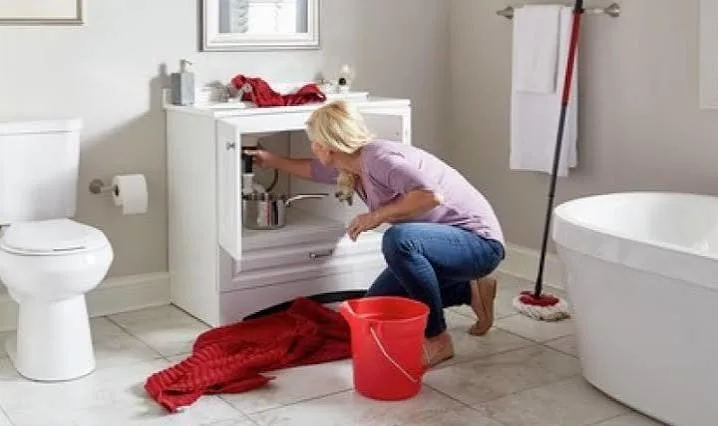
Bathrooms collect moisture and soap residue. They also collect dust on vents and upper surfaces. Start with high areas before wet cleaning begins. Dust vents and light fixtures first. Then clean mirrors and wall surfaces. Move toward showers and tubs afterward. Use products that suit each material.
Deep cleaning bathrooms should include sink areas and toilets. Clean handles and other high-touch surfaces. Wash doors and frames when marks appear. Washing baseboards can also improve the final result.
Check shower curtains and washable mats. Wash them when their care labels allow. Clean drain covers without mixing unsafe products. Finish with the floor. Pay attention to corners and edges where dust can settle.
How to Refresh Bedrooms and Living Areas More Thoroughly
Bedrooms and living spaces contain many soft surfaces. These can hold dust and pet hair. Bedding and washable covers should receive regular care.
Vacuum mattresses using a suitable attachment. Clean rugs and upholstery based on care instructions. Curtains may need vacuuming or washing. Check their labels before cleaning.
Move small furniture when possible. Cleaning behind furniture helps remove hidden dust. Vacuum beneath sofas and beds when access allows.
Dust ceiling fans and shelves before working lower surfaces. Wipe frames and lamps. Clean light fixtures after power is off.
Finish with windows and doors. Then wash baseboards when needed. Vacuum floors last so falling dust is removed.
How to Build a Deep Cleaning Schedule That You Can Keep
Trying to clean everything at once can feel exhausting. A realistic deep cleaning schedule spreads large tasks across workable sessions. Your schedule should match your home and available time.
Split Large Cleaning Jobs Into Smaller Home Zones
Divide your home into clear zones. One zone might cover bedrooms. Another might cover the kitchen. Bathrooms can form another zone.
Clean one zone each day or weekend. This approach keeps each session manageable. It also helps you finish detailed work before moving onward.
Match Cleaning Tasks With Monthly, Seasonal, and Annual Needs
Some tasks need more frequent attention than others. High-use areas may need monthly care. Windows or storage areas may fit seasonal deep cleaning better.
Review your schedule as household needs change. Avoid cleaning by calendar alone. Actual buildup should guide the final timing. A daily reset plan can help maintain basic cleanliness between larger deep-cleaning sessions.
How Often Should You Deep Clean Different Parts of Home
No single schedule works for every household. Cleaning frequency depends on use and living conditions. Busy spaces usually need attention more often.
Pets can increase dust and hair. Children may create more marks and floor mess. Frequent cooking can increase kitchen grease. Larger households can also create faster buildup.
A deep cleaning routine may include monthly tasks. Other work may fit seasonal cleaning. Some hidden areas can wait longer when they stay clean.
Check surfaces instead of following strict dates. Look for dust and grime. Notice odors or sticky residue. These signs can show when deeper care is useful.
Your deep cleaning schedule should remain flexible. Clean based on need instead of habit alone.
How Long a Whole House Deep Cleaning Session Can Take
Whole house deep cleaning time varies widely. Home size has a major effect. Room count also matters. Clutter can slow each cleaning step.
Heavy buildup needs more work than light dust. Detailed cleaning standards also change the total time. One person may need several sessions. Extra help can reduce the workload.
A full deep clean does not need one day. Breaking tasks apart can improve focus. It can also make the work easier physically.
Estimate each room before starting. Add extra time for kitchens and bathrooms. Consider furniture movement and appliance access too.
A complete deep cleaning checklist helps with planning. It shows which tasks need more time. It also prevents forgotten jobs during longer projects.
Simple Ways to Keep Deep Cleaning From Feeling Overwhelming
Deep cleaning becomes easier when each session has clear limits. These habits can keep the work manageable.
- Remove clutter before detailed cleaning.
- Start with high surfaces.
- Finish with floors.
- Work through one area at once.
- Keep supplies together.
- Set a realistic daily task limit.
- Split large rooms into zones.
- Complete dusty work before wet cleaning.
- Stop when fatigue affects safe work.
A steady deep cleaning routine works better than rushed cleaning. Your schedule should support progress without creating extra stress.
Common Deep Cleaning Mistakes That Waste Time and Effort
Starting without a plan often creates repeated work. You may clean floors before dusty fixtures. Falling dust then creates another floor cleaning job.
Using the wrong cleaner can also cause problems. Some surfaces need specific care. Always check product labels and surface guidance first.
Moving objects without cleaning underneath them also wastes effort. Dust remains hidden after everything returns to place.
People often skip appliance gaps and vents. These areas are easy to overlook. Fixtures and wall edges can also remain dirty.
Over-cleaning creates another issue. Not every surface needs deep work each month. Focus detailed house cleaning on actual buildup and use.
A clear checklist reduces these mistakes. It keeps deep cleaning tasks in a practical order.
How Seasonal Deep Cleaning Can Keep Your Home Fresh
Seasonal changes offer useful points for deeper cleaning. They can help divide large tasks across the year.
Spring may suit window cleaning and closet sorting. Warmer weather can support cleaning screens and outdoor entry areas. Fall may suit bedding and storage checks. Winter can bring more attention to indoor dust.
Seasonal deep cleaning should support your regular routine. It should not replace weekly cleaning. Instead, it handles tasks that need occasional attention.
Use each season to review hidden areas. Check furniture gaps and window tracks. Review closets and stored items too.
A seasonal deep cleaning schedule can reduce future workloads. Smaller planned sessions prevent many tasks from building up.
Final Thoughts for a More Complete Deep Cleaning Routine
A practical deep cleaning checklist helps uncover areas that routine cleaning often misses. It gives structure to larger cleaning jobs. It also helps you focus on rooms that need more care. Kitchens and bathrooms often need added detail. Hidden spaces can need attention too. Judy Maids can help homeowners maintain a cleaner, more organized space with professional cleaning support.
The best routine fits your actual home. Avoid copying a schedule that does not match your needs. Watch for dust and grime instead. Break large jobs into smaller sessions. Work from higher areas toward the floor. Give overlooked surfaces enough attention without creating needless work.
Save this checklist before your next deep clean. Adjust it for your rooms and household habits. Then use it as a simple guide each time.
FAQs About Deep Cleaning Checklist Planning and Tasks
These quick answers cover common questions about deep cleaning. They can help you plan the work and decide what deserves attention first.
A complete checklist should cover kitchens, bathrooms, bedrooms, living areas, floors, windows, baseboards, appliances, fixtures, vents, and other easy-to-miss spaces.
Most homes benefit from deeper cleaning every few months, but busy households, pets, children, cooking habits, and allergies can change that schedule.
Start with decluttering, then clean high surfaces first. Work downward through furniture and fixtures, and leave vacuuming and mopping until the end.
A full deep clean may take several hours or more. Home size, clutter, buildup, room count, and available help all affect the total time.
People often miss baseboards, ceiling fans, light fixtures, window tracks, door frames, vents, spaces behind furniture, and narrow gaps around large appliances.