

Cleaning often feels harder when there is no clear starting point. A home reset checklist gives every task a clear place. It helps you handle visible mess without missing hidden problem areas. A useful home reset checklist also prevents repeated work. You can see what needs attention now. You can also see what can wait. That makes the process easier to pause and resume. It also gives every room a clear finish point.
The best checklist should fit your home and routine. It should cover decluttering, room cleaning, basic upkeep, and overlooked spaces. It should separate weekly work from deeper monthly tasks. This guide explains what belongs in a complete reset. It also shows how to keep each task realistic and useful.
How to Build a Home Reset Checklist That Works
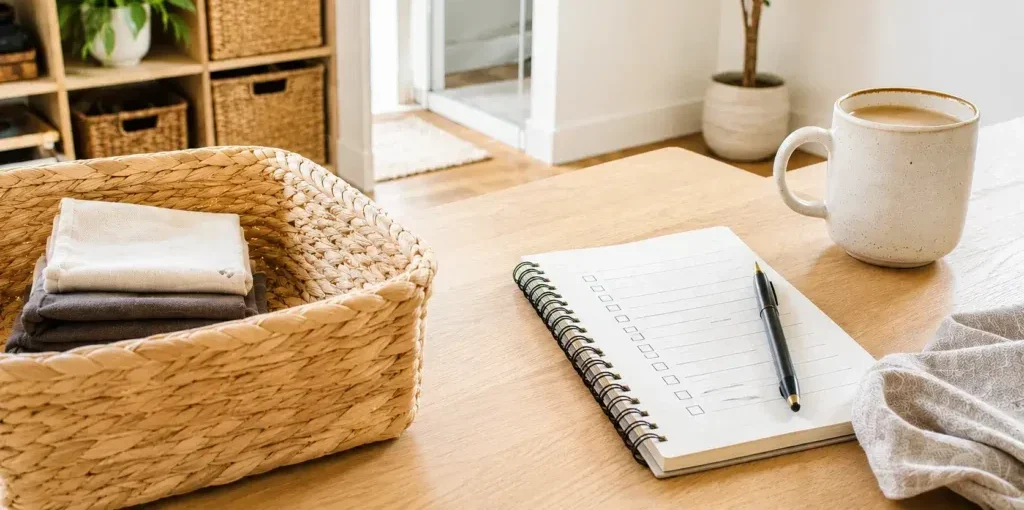
A practical checklist combines cleaning, decluttering, and simple organization. Start with rooms that cause the most daily stress. Then add tasks that improve how those rooms work. Separate essential work from deeper cleaning. This keeps the list realistic.
Your home reset checklist should also match your home. Small homes may need fewer tasks. Homes with pets may need more floor care. For a more structured approach, you can explore whole home organization services that cover every room.
Your Detailed Home Reset Checklist for Every Room
A room reset checklist works best when tasks appear by area. Use this list as a practical base. Remove tasks that do not fit your home.
Whole Home Basics
- Gather trash and recycling.
- Return misplaced items to their rooms.
- Clear visible surfaces.
- Dust open surfaces.
- Vacuum or sweep floors.
- Clean common touch points.
- Empty full bins.
- Check common clutter spots.
Entryway and Shared Areas
- Put away shoes, bags, coats, and mail.
- Clear benches and nearby surfaces.
- Wipe handles and entry surfaces.
- Vacuum mats and floors.
- Relocate items from other rooms.
Kitchen
- Clear and wipe counters.
- Clean the sink and faucet.
- Wipe cabinet fronts and handles.
- Remove expired refrigerator food.
- Review pantry items.
- Clean small appliances when needed.
- Sweep and mop the floor.
Bathroom
- Remove empty or expired products.
- Clean the sink and counter.
- Scrub the toilet.
- Clean the shower or tub.
- Wipe mirrors and fixtures.
- Replace used towels.
- Empty the bin.
Bedrooms
- Clear nightstands and dressers.
- Put away clean clothing.
- Collect laundry.
- Change or wash bedding.
- Dust open surfaces.
- Vacuum floors.
- Review unused clothing.
Living Room
- Clear tables and open surfaces.
- Put loose items away.
- Dust electronics and decor.
- Vacuum furniture when needed.
- Clean under cushions.
- Straighten pillows and throws.
- Clean the floor.
Laundry Room
- Remove unused shelf items.
- Wipe appliance surfaces.
- Check the lint area.
- Organize cleaning supplies.
- Remove empty containers.
- Sweep or vacuum floors.
Declutter First So Cleaning Takes Less Time
Decluttering should usually happen before detailed cleaning. Covered surfaces are harder to wipe. Floor piles also slow vacuuming. Remove excess items first. Cleaning then becomes faster and easier.
Sort items into four groups. Use trash, donations, relocation items, and useful items. This reduces second-guessing. It also stops one clutter pile from becoming another.
If something belongs elsewhere, then move it. Remove broken items that serve no purpose. Store useful items where they are easy to return. For professional help with decluttering and organizing, consider home organization services.
Put Your Cleaning Tasks in the Right Order
The right order prevents repeat work. Dust can fall onto clean floors. Loose items can block surfaces. A simple sequence keeps each step useful.
- Remove trash and obvious clutter.
- Return useful items to storage.
- Clear tables and counters.
- Dust higher areas first.
- Wipe surfaces that need cleaning.
- Clean handles and touch points.
- Vacuum, sweep, or mop floors last.
Use the same logic for one room. Clear first. Work from high areas downward. Finish with the floor.
Give the Kitchen Reset More Than Surface Cleaning
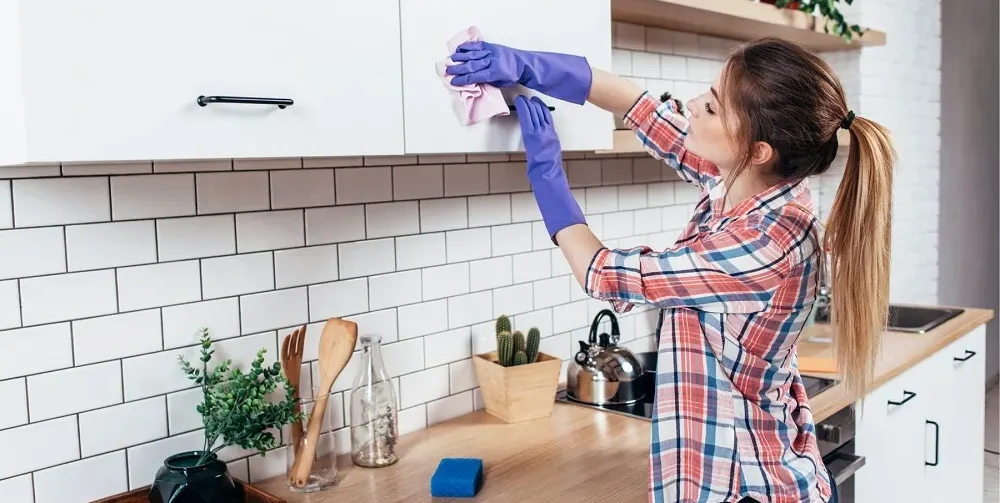
Kitchen cleaning tasks should go beyond counters. Check food storage areas too. Remove expired refrigerator items. Review open or forgotten pantry items. Clear products that no longer belong there.
Small appliances can collect crumbs and grease. Wipe their outer surfaces. Check cabinet handles and drawer fronts. Weekly resets may focus on visible areas. Deeper resets can cover cabinet interiors and pantry sorting. When a kitchen needs a full transformation, a deep reset can handle the heavy work.
Give Bathrooms a Reset That Covers Hidden Mess
Bathroom cleaning tasks should include storage and fabric items. Sinks and toilets matter. So do mats, towels, shelves, and under-sink spaces.
Remove empty containers first. Keep daily products easy to reach. Group backup items in one storage area. Finish with mirrors, handles, and floor edges. These small areas can make a clean bathroom feel more complete.
Use Bedroom Organization to Reduce Daily Clutter
Bedroom organization works best when daily items have clear storage places. Clothing often causes the biggest mess. Separate clean clothes from laundry. Then put each group where it belongs.
Clear nightstands and dresser tops. Keep useful items there. Remove clothing that no longer fits your routine. Extra storage space makes daily resets easier. The goal is function rather than decorative perfection.
Reset Shared Spaces With Simple Daily Habits

Living rooms and entryways collect items from everyone. Shoes, mail, bags, toys, and remotes often gather there. Simple home routines with organization help these items find clear homes. Use small habits between larger resets. Put shoes away after use. Clear mail before it forms a pile. Return remotes after viewing. These actions reduce work during the next weekly reset.
Use small habits between larger resets. Put shoes away after use. Clear mail before it forms a pile. Return remotes after viewing. These actions reduce work during the next weekly reset.
Handle These Four Areas Before Calling It Finished
Many reset lists stop after obvious cleaning. That can leave hidden dust and clutter behind. Check these four areas before finishing.
Clean Dust From Easy-to-Miss Surfaces
Check baseboards, vents, light fixtures, and furniture tops. Dust often builds where people rarely look. These spots may need less frequent cleaning. They still belong in a complete home reset.
Check Floors Beyond the Main Walking Paths
Look at corners, rug edges, and spaces under furniture. Main walkways may look clean while nearby dust remains. Move light furniture when practical. Clean edges before calling floors finished.
Review Storage Spots That Hide Household Clutter
Check junk drawers, baskets, cabinets, and under-sink spaces. Hidden clutter can grow slowly. Review one storage area at a time. This keeps the task manageable.
Finish With Small Details That Change the Room
Wipe mirrors, handles, and switches. Straighten cushions. Replace used towels. These tasks take little time. They can make a room look properly reset.
Know Which Tasks Belong in Weekly Home Resets
A weekly home reset should focus on recurring mess. It should restore order without becoming a deep cleaning session.
- Gather trash from active rooms.
- Return loose items to storage.
- Clear main surfaces.
- Wipe kitchen work areas.
- Clean bathroom sinks and toilets.
- Dust open surfaces.
- Vacuum busy floor areas.
- Manage current laundry.
- Reset living room seating.
- Check entryway clutter.
Save slower storage work for another day. The weekly goal is control. It should stop small mess from growing.
Know When Monthly Home Reset Tasks Are Needed
A monthly home reset can cover work that needs less attention. This may include vents, baseboards, cabinet interiors, and storage zones.
Add only a few deeper tasks each month. You can also rotate them. Review one closet this month. Clean another storage zone next month. Choose tasks based on buildup rather than the calendar alone. A busy kitchen cabinet may need earlier attention. A spare closet may need less. This keeps a complete home reset manageable.
Make Your Checklist Fit Your Home and Schedule
Every home has different pressure points. Children may create faster toy buildup. Pets may increase floor care. Busy schedules may require shorter cleaning sessions.
Focus on high-value work when time is short. Handle trash clutter kitchens bathrooms surfaces and floors first. Set a time limit before starting. This can prevent one difficult room from taking the entire reset window. You can also split a complete reset across several days. Progress still counts when work happens in smaller sessions.
Keep Your Home Reset Checklist Useful Over Time
Your checklist should change with your household. New routines can affect cleaning time. Pets can change floor needs. Better storage can remove old clutter problems.
Review the list every few months. Remove tasks that no longer matter. Add problem areas that keep returning. Track monthly work when helpful. For ongoing support that grows with your needs, explore clutter free home services.
Final Thoughts on Building a Home Reset Checklist
A useful home reset checklist should make cleaning easier to start. It should also make progress easier to see. The strongest version covers clutter, room cleaning, surfaces, floors, storage, and missed areas. Judy Maids can support a more organized approach to keeping your home fresh and manageable. It also separates regular weekly work from deeper monthly jobs. That structure helps prevent forgotten tasks and repeated effort.
Keep the list flexible around your actual schedule. Focus first on spaces that affect daily life. Remove tasks that add little value. Split larger resets into smaller sessions when needed. Start with one room and finish its highest priority work. Then build the rest of your checklist around what your home truly needs. That approach keeps the reset useful over time.
FAQs About Creating a Home Reset Checklist
These questions cover timing, order, and commonly missed areas. They can help you adjust the process around your home and available time.
A basic home reset checklist should cover clutter and surfaces. Include floors, bathrooms, kitchen tasks, laundry storage checks and simple room organization for regular upkeep.
Most homes need smaller weekly resets and deeper monthly work. Your schedule depends on household size, clutter levels, pets’ daily routines, and available cleaning time.
Remove trash and broken items first. Then collect donations, misplaced objects, and unused products. Open surfaces make later cleaning faster and much easier to manage.
Timing depends on home size, task depth, and current mess. Short resets may take one hour. Larger resets often work better across several separate sessions.
People often miss baseboards, vents, and light fixtures. Floor edges, cabinet interiors, and junk drawers also escape routine cleaning. Check under-sink spaces regularly too.